Plan Your Visit to Southwest Michigan Wineries, Tasting Rooms, and Wine Trails
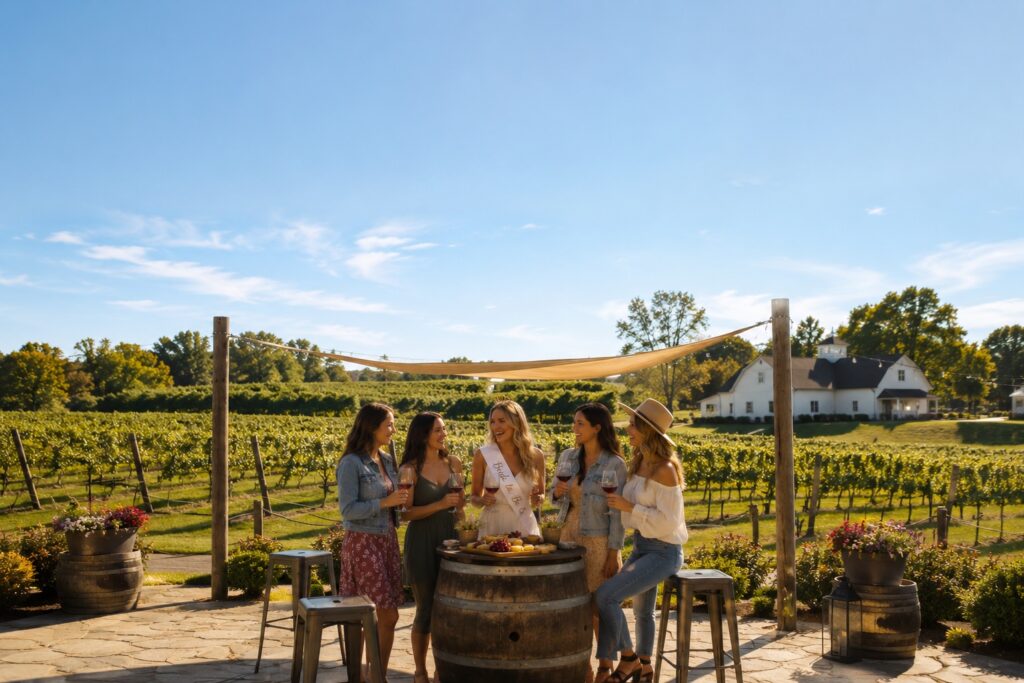
Wineries & Wine Trails in Southwest Michigan: Your Guide to Michigan Wine Country
Southwest Michigan is one of the Midwest’s most rewarding places to plan a wine-tasting trip, particularly because the wineries are varied enough to suit more than one kind of visitor. You can spend an afternoon visiting tasting rooms near the lakeshore, devote a full day to the vineyards around Baroda, or build an entire weekend around wine, food, and the region’s smaller communities.
The quality of the wine starts with the growing conditions. Lake Michigan helps moderate temperature swings near the shoreline, reducing some of the extremes that can damage grapevines and extending the effective growing season. Much of the region’s wine country lies within the federally recognized Lake Michigan Shore American Viticultural Area, where vineyards grow both cool-climate varieties and grapes that need enough summer warmth to ripen fully.
What makes Southwest Michigan especially useful for travelers is that there is no single correct way to experience it. First-time visitors who want the largest concentration of vineyards will usually find Baroda the easiest place to begin. Travelers staying in Saint Joseph, Bridgman, New Buffalo, South Haven, or Saugatuck can instead choose tasting rooms and wineries that fit naturally into an existing day trip. That distinction matters because a relaxed tasting afternoon requires much less driving and planning than a full wine-trail itinerary.
This guide will help you understand the region’s main wine areas, the difference between its organized wine and makers trails, what kind of experience each community offers, and how many stops can realistically fit into your available time. It also covers transportation, tasting-room expectations, and practical itinerary ideas, so you can choose a route that works for a few hours, a full day, or a weekend away.
Wine tasting is only one way to explore the area. For beaches, parks, lighthouse visits, and other activities that can be paired with a winery trip, continue to Things to Do in Southwest Michigan.
Why Southwest Michigan Has Become Michigan’s Premier Wine Region
Great wineries begin with great growing conditions, and that’s where Southwest Michigan has a genuine advantage. The region isn’t known simply because vineyards happen to be here—it has earned its reputation because the climate consistently supports high-quality grape growing. Understanding a little about why that happens helps explain why so many wineries have chosen to establish themselves here and why visitors can expect to find an impressive range of wines rather than just a handful of familiar styles.
The Lake Michigan Effect
The same body of water that shapes much of Southwest Michigan’s landscape also plays an important role in its vineyards. During spring, Lake Michigan warms more slowly than the surrounding land, helping delay bud break just enough to reduce the risk of damage from late frosts. As summer gives way to fall, the lake slowly releases the heat it stored during the warmer months, extending the growing season and giving grapes additional time to ripen before colder weather arrives.
That extra time on the vine makes a noticeable difference. Crisp white varieties can develop the bright acidity that gives them freshness, while many red grapes gain additional depth and balance before harvest. If you’ve assumed Michigan wineries mainly produce sweet wines, you’ll likely be surprised by the number of dry whites, structured reds, sparkling wines, and rosés you’ll find throughout the region.
The lake also helps moderate summer temperatures, reducing prolonged periods of extreme heat that can stress grapevines. Combined with well-drained soils and careful vineyard management, these conditions create a growing environment that has supported Southwest Michigan’s wine industry for decades.
The Lake Michigan Shore AVA & Fennville AVA
As you browse tasting room menus or read wine labels, you’ll often see the letters AVA, which stand for American Viticultural Area. An AVA is a federally recognized wine-growing region defined by its geography, climate, and growing conditions. While an AVA doesn’t guarantee quality, it does tell you that the grapes were grown in a place with distinctive characteristics that influence the finished wine.
Southwest Michigan is home to two AVAs that you’ll encounter frequently. The Fennville AVA, established in 1981, was Michigan’s first federally recognized American Viticultural Area and one of the earliest AVAs designated anywhere in the United States. Known for its well-drained sandy soils and favorable growing conditions, it has become home to a number of smaller vineyards and wineries that focus on carefully crafted wines.
Surrounding it is the much larger Lake Michigan Shore AVA, established in 1983. Rather than being a separate neighboring region, it completely encompasses the Fennville AVA and stretches across much of Southwest Michigan’s wine country. Many of the wineries you’ll visit around Baroda, Bridgman, Berrien County, and nearby communities source grapes from vineyards within this broader appellation.
One of the strengths of Southwest Michigan is the diversity of grapes that thrive here. Visitors will commonly find classic European varieties such as Riesling, Chardonnay, Pinot Grigio, Pinot Noir, Cabernet Franc, and Merlot alongside cold-hardy French-American hybrids like Chardonel, Traminette, and Chambourcin. Many wineries also produce excellent sparkling wines, rosés, and fruit wines made from locally grown cherries, blueberries, peaches, and apples, reflecting the region’s long history as part of Michigan’s Fruit Belt.
You don’t need to memorize AVA names before visiting, but understanding them adds helpful context as you explore different wineries. As you travel from one area to another, you’ll notice each part of Southwest Michigan develops its own personality, shaped by the vineyards, growing conditions, and the winemakers who call the region home.
Understanding Southwest Michigan’s Wine Trails
As you begin planning a wine-tasting trip, you’ll quickly come across two names: the Lake Michigan Shore Wine Trail and the Makers Trail. Although they sometimes appear together in visitor guides, they serve different purposes. Knowing the difference before you arrive makes it much easier to choose an itinerary that fits your interests instead of trying to squeeze everything into one day.
One important thing to remember is that you don’t have to choose one trail over the other. Many visitors spend a day exploring vineyards along the Lake Michigan Shore Wine Trail, then use the Makers Trail to discover breweries, distilleries, and cideries on another day. If you’re planning a weekend getaway, combining both often creates the most balanced experience.
Lake Michigan Shore Wine Trail
The Lake Michigan Shore Wine Trail is the region’s official association of wineries located within Southwest Michigan’s wine country. If your primary goal is tasting wine, learning about local grape varieties, and visiting vineyards, this is the trail to follow.
Rather than leading you through downtown entertainment districts, the Wine Trail naturally guides visitors into the countryside where many of the region’s vineyards are located. Around Baroda, Buchanan, and neighboring communities, it’s common to find several wineries within a short drive of one another, making it easy to build a relaxed afternoon without spending most of your time on the road.
Each winery offers its own approach to winemaking. Some specialize in crisp white wines, others focus on reds, sparkling wines, or fruit wines, while many produce a combination of styles. Even when two wineries grow similar grape varieties, differences in vineyard location, soil, and winemaking philosophy create noticeably different tasting experiences. That’s one of the reasons many visitors enjoy making several stops instead of settling into a single tasting room.
Throughout the year, the Lake Michigan Shore Wine Trail also hosts seasonal events and themed tasting weekends that encourage visitors to explore multiple participating wineries. If your travel dates are flexible, checking the trail’s event calendar before your trip can be well worth the effort.
Makers Trail
The Makers Trail takes a broader approach to Southwest Michigan’s craft beverage scene. Managed by Visit Southwest Michigan, it connects more than 50 wineries, breweries, distilleries, and cideries across the region, giving visitors the flexibility to build an itinerary around a variety of locally crafted drinks instead of wine alone.
This trail works especially well for couples, families, or groups with different tastes. One person may be looking for a dry Riesling, another prefers a locally brewed IPA, while someone else wants to sample small-batch bourbon or hard cider. Following the Makers Trail allows everyone to enjoy the same trip without feeling limited to one type of tasting experience.
Because the Makers Trail stretches across multiple communities, it also encourages visitors to explore beyond the vineyards. You might enjoy a morning wine tasting before continuing to Journeyman Distillery in Three Oaks, known for its restored historic factory setting, or stop at one of the region’s independent craft breweries later in the day. The trail is designed to showcase the breadth of Southwest Michigan’s craft beverage culture rather than focusing on a single category.
Travel Tip: Before your trip, download the free Visit Southwest Michigan app. If you’re visiting during the annual Makers Trail Passport Challenge, the app lets you check in at participating locations, track your progress, and become eligible for prizes and giveaways. It’s a fun bonus for visitors already planning to explore multiple stops and an easy way to discover businesses you might otherwise overlook.
If this is your first visit and wine is the main reason you’ve come, I’d recommend starting with the Lake Michigan Shore Wine Trail. Once you’ve experienced the region’s vineyards, the Makers Trail becomes an excellent way to expand your itinerary by introducing you to Southwest Michigan’s broader craft beverage scene without losing the relaxed pace that makes this part of the state so enjoyable.
Wine Regions Across Southwest Michigan
Southwest Michigan’s wineries stretch across several distinct communities, and each offers a different kind of experience. Some areas are built around vineyard touring from one estate to the next, while others make it easy to fit a tasting into a weekend that also includes shopping, dining, or outdoor recreation.
Instead of trying to cover the entire region in a single day, choose one area that matches your travel style. You’ll spend less time driving, enjoy a more relaxed pace, and have a much better opportunity to appreciate what makes each wine region unique.
Baroda Wine Country
If someone asked me where to begin exploring Southwest Michigan wine country, I’d almost always point them toward Baroda. It has the region’s largest concentration of wineries, making it the easiest place to dedicate an entire day to tasting without spending hours on the road between stops.
The countryside surrounding Baroda is where many visitors picture “Michigan wine country.” Rolling vineyards, quiet country roads, and family-owned estates create an atmosphere that’s focused almost entirely on wine. You’ll find well-established destinations like Round Barn Estate, Dablon Vineyards, Domaine Berrien Cellars, and Tabor Hill Winery & Restaurant, along with numerous smaller wineries that each bring their own approach to growing grapes and making wine.
The biggest advantage of Baroda is efficiency. Many wineries are only a few minutes apart, allowing you to visit several carefully chosen stops without feeling rushed. Because restaurants are more limited once you leave the village, it’s smart to plan lunch ahead of time or include a winery that serves food as part of your itinerary.
If your primary goal is spending the day discovering vineyards, comparing wines, and enjoying the countryside, Baroda remains the region’s best choice.
For a deeper look at local wineries, restaurants, and nearby attractions, see the future Baroda Travel Guide.
Bridgman
Bridgman offers a different pace. Rather than focusing entirely on vineyard touring, it combines a walkable downtown with convenient access to nearby wine country, making it ideal for visitors who want a relaxed afternoon instead of a full-day tasting itinerary.
Downtown includes tasting opportunities such as the Tabor Hill Bridgman Tasting Room and Chill Hill Winery, both easy to reach on foot while exploring the business district. If you’d rather visit estate wineries afterward, Baroda and the surrounding countryside are only a short drive away.
One of Bridgman’s biggest advantages is location. It’s close enough to Warren Dunes that many visitors spend the morning hiking or enjoying the beach before transitioning into wine tasting during the afternoon. That combination works especially well if everyone in your group isn’t interested in spending an entire day moving from winery to winery.
If your visit falls in early June, check the schedule for the annual Makers Trail Festival at Weko Beach. The event brings together wineries, breweries, distilleries, cideries, food vendors, and live music from across Southwest Michigan, giving first-time visitors an easy introduction to the region’s craft beverage scene in a single location.
Continue to the future Bridgman Travel Guide for more trip ideas, or explore Warren Dunes State Park if you’re planning to combine hiking and wine tasting in the same day.
Harbor Country (New Buffalo, Union Pier & Three Oaks)
For many visitors arriving from Chicago or Northwest Indiana, Harbor Country is the introduction to Southwest Michigan wine country. Rather than driving immediately into the vineyard districts, many travelers spend their first day exploring New Buffalo, Union Pier, and Three Oaks before heading farther inland.
Union Pier is particularly convenient because the Round Barn Tasting Room and St. Julian Winery & Distillery sit along Red Arrow Highway only a short distance apart, making it easy to enjoy two established Michigan wineries without a lengthy drive. Continue a few miles east and you’ll reach Three Oaks, home to Journeyman Distillery, one of the Midwest’s best-known craft distilleries.
Harbor Country works best as a balanced getaway rather than a dedicated wine tour. You can enjoy a tasting, have dinner, browse local shops, and settle into your accommodations without spending much of the day behind the wheel.
If you’re staying several nights, I’d recommend keeping your first day centered on Harbor Country and saving Baroda for another day. Trying to combine both areas in one afternoon usually means spending more time driving than tasting.
The future New Buffalo Travel Guide will help you plan a longer Harbor Country getaway.
Saint Joseph & Stevensville
Saint Joseph and neighboring Stevensville are excellent choices for visitors who want to include wine tasting without making it the focus of the entire trip. This part of the region works especially well for couples, families, and multigenerational groups because there are plenty of activities nearby before or after visiting a tasting room.
Downtown Saint Joseph includes tasting opportunities such as White Pine Winery, allowing visitors to enjoy a flight without leaving the city. Stevensville sits closer to the vineyard districts, making it an easy transition if you decide to spend part of the afternoon exploring wineries farther inland.
This area is also one of the easiest places to build a flexible itinerary. Some members of your group can continue exploring downtown while others visit a tasting room, then everyone can meet later for dinner without coordinating long drives or fixed schedules.
For more ideas on planning your visit, continue to the Saint Joseph Travel Guide, or see Silver Beach if you’re looking for activities before your first tasting.
South Haven Area
South Haven serves as an excellent base for visitors who want to combine wine tasting with a relaxing weekend rather than devote every hour to vineyard hopping. Several wineries and tasting rooms are located within a short drive of town, making it easy to fit one or two stops into your plans.
One of the area’s best-known vineyard experiences is Cogdal Vineyards, where visitors can enjoy small-batch wines in a peaceful rural setting just outside town. You’ll also find tasting rooms representing wineries from elsewhere in Southwest Michigan, allowing you to sample regional wines without driving long distances.
Compared with Baroda, wineries in the South Haven area are spread farther apart. Planning two or three well-chosen stops usually creates a more enjoyable afternoon than trying to visit as many as possible.
For lodging, restaurants, and additional attractions nearby, continue to the South Haven Travel Guide.
Saugatuck & Fennville
Although they’re only a few miles apart, Saugatuck and Fennville offer noticeably different wine experiences. Saugatuck is the better base if you want restaurants, galleries, and lodging within easy reach. Fennville places you closer to working vineyards and the agricultural landscape that helped establish one of Michigan’s earliest federally recognized wine regions.
Two wineries illustrate that contrast particularly well. Fenn Valley Vineyards has welcomed visitors for decades with vineyard tours, tastings, and expansive grounds, while Modales Wines represents a newer generation of estate wineries focused on cool-climate wines produced from grapes grown on-site. Together, they demonstrate the diversity that exists even within the Fennville AVA.
Don’t underestimate travel times here. Wineries are spread throughout the countryside, and tastings often become longer than expected. Limiting yourself to two thoughtfully selected winery visits leaves enough time to enjoy each stop without watching the clock.
For additional restaurants, lodging, galleries, and seasonal activities, continue to the Saugatuck Travel Guide.
Choosing the Right Winery Experience
One of the best things about Southwest Michigan wine country is that no two winery visits feel exactly alike. Some properties are built around quiet tastings overlooking the vines, while others are lively gathering places with restaurants, live music, lawn games, or seasonal events. Choosing the right winery isn’t about finding the “best” one—it’s about finding the experience that matches the kind of day you want to have.
Before mapping your route, think about your priorities. Are you planning a romantic afternoon? Hoping to enjoy lunch with a vineyard view? Traveling with friends who prefer beer or spirits? Bringing children along? Answering those questions first will make planning much easier than simply choosing wineries because they’re close together.
Best for Couples
Couples often enjoy wineries where they can slow down rather than rush from tasting room to tasting room. A leisurely tasting followed by dinner or time overlooking the vineyards usually creates a more memorable experience than trying to fit five wineries into one afternoon. In my experience, two or three carefully chosen stops are plenty for a relaxed day together.
Tabor Hill Winery & Restaurant remains one of the area’s best choices for couples. You can begin with a tasting, enjoy dinner overlooking the vineyards, and spend the entire afternoon in one location without feeling hurried. It’s especially well suited for anniversaries, birthdays, or anyone looking for a more refined experience.
For something quieter, Filkins Vineyards near Coloma offers a peaceful setting with beautiful views across the countryside. Longtime visitors may remember this property as Karma Vista Winery. It was purchased in 2024 by OneRepublic guitarist Zach Filkins and thoughtfully reimagined while preserving the scenic setting that made the property popular for years.
Best for Scenic Vineyard Views
If your idea of wine country includes rows of vines stretching across the landscape, skip the downtown tasting rooms and head directly to one of the estate wineries. The scenery becomes part of the experience, especially if you allow enough time to sit outdoors instead of treating each stop as a quick tasting.
Dablon Winery & Vineyards in Baroda is known for its elegant tasting room and vineyard setting, while Gravity Vineyards and Winery combines vineyard views with a large covered observation deck overlooking a private lake. It’s an easy place to linger with a glass of wine while taking in the surroundings.
Located in Benton Harbor, Vineyard 2121 offers another excellent outdoor setting with spacious patios, landscaped grounds, and regular seasonal events. Although it’s closer to the interstate than many visitors expect, once you’re on the property it feels surprisingly removed from the nearby traffic.
Weekday afternoons generally provide the quietest atmosphere if scenic views are your priority. Weekend events often bring larger crowds, particularly during the summer and fall harvest season.
Best for Food and Wine Pairings
Not every winery serves full meals. Many offer light snacks or charcuterie boards, while others focus almost entirely on tastings. If lunch or dinner is an important part of your plans, choose your dining stop first and build the rest of your itinerary around it.
Tabor Hill Winery & Restaurant is the region’s premier destination for a full-service winery meal. The combination of estate wines, vineyard views, and an established restaurant makes it easy to spend several hours without needing another stop.
For a more casual atmosphere, Vineyard 2121 serves food alongside wine, beer, and cider, making it a good choice for groups with different tastes. Round Barn Estate frequently hosts food trucks and seasonal outdoor dining options during larger events, although offerings vary throughout the year.
Always check current menus and operating hours before your visit. Some winery kitchens operate only on certain days or expand their offerings during the busiest travel seasons.
If you’re planning dinner before or after your tasting route, continue to Southwest Michigan Restaurants for additional recommendations throughout the region.
Best for Groups
Larger groups benefit from choosing wineries designed to accommodate them. Smaller boutique tasting rooms may have limited seating or group-size restrictions, particularly on weekends, so a little planning goes a long way.
Round Barn Estate is one of the easiest places for groups to gather. Beyond wine, it offers beer and spirits, spacious outdoor seating, seasonal entertainment, and reservable vineyard cabanas. The variety of beverages also makes it a comfortable choice when everyone in your group has different preferences.
Groups looking for a more structured experience may prefer Tabor Hill, which offers private tasting experiences for larger parties with advance reservations.
Rather than trying to visit five or six wineries, most groups enjoy three well-planned stops with enough time to relax at each one. If you’re traveling by shuttle or party bus, confirm each winery’s group policies before finalizing your route.
Best Year-Round Wine Tasting
Southwest Michigan wineries welcome visitors throughout the year, but the experience changes with the seasons. During winter, indoor tasting rooms become especially appealing, while many larger estates shift their focus away from outdoor events.
Downtown tasting rooms in communities like Saint Joseph, Bridgman, South Haven, and Saugatuck provide dependable year-round options with heated indoor spaces. The St. Julian Winery & Distillery tasting room in Union Pier is another convenient stop for winter travelers arriving from Interstate 94.
Several estate wineries also embrace colder weather. Dablon Winery & Vineyards has hosted heated igloos, winter hiking events, and seasonal experiences that offer a different perspective on Michigan wine country beyond the busy summer months.
Before making the drive, verify seasonal hours directly with the winery. Winter schedules often differ from those during spring, summer, and fall.
Best Family-Friendly Winery Stops
Family-friendly doesn’t necessarily mean a winery is designed specifically for children. More often, it simply means families are welcome and there is enough outdoor space for everyone to relax together.
Properties such as Round Barn Estate and Gravity Vineyards and Winery offer spacious outdoor areas where families generally feel more comfortable than they might in a smaller indoor tasting room. Children should remain with their parents throughout the visit, but the extra room makes the experience more enjoyable for everyone.
When visiting with children, I usually recommend choosing one winery instead of several. Plan your tasting earlier in the day, keep the visit unhurried, and pair it with another activity nearby. Combining a winery stop with Warren Dunes State Park or Silver Beach often creates a much better family outing than spending the entire afternoon moving between tasting rooms.
Taking this slower approach also gives adults more time to enjoy the winery itself, which is usually why they made the trip in the first place.
What to Expect During Your Winery Visit
If this is your first trip to Southwest Michigan wine country, one of the first things you’ll notice is that no two wineries feel exactly alike. Some are quiet estate properties where the focus stays on the wine, while others have restaurants, outdoor patios, live music, or seasonal events that encourage visitors to linger for several hours. There isn’t a right or wrong way to experience the region—it simply depends on the kind of day you want to have.
My biggest piece of advice is to slow down. Rather than trying to visit every winery on your list, give yourself time to settle into each stop. Two or three unhurried visits almost always create a more memorable day than rushing through twice as many tasting rooms.
Wine Tastings
Wine tastings are designed to help you discover what you enjoy, not to test your knowledge. Most wineries offer tasting flights that include several wines, allowing you to compare different styles before deciding whether to order a glass or purchase a bottle. Staff members are usually happy to answer questions, explain how a wine was produced, or recommend something based on what you already like.
If you’re new to wine tasting, don’t worry about using technical wine vocabulary. Simply telling the staff that you usually enjoy dry reds, lighter whites, sparkling wines, or sweeter styles gives them enough information to guide your tasting. Every visitor has different preferences, and there is no expectation that you’ll enjoy every wine you sample.
Take your time between stops. Drinking water, enjoying a light meal, and allowing enough time at each winery makes the experience far more enjoyable than trying to squeeze six or seven tastings into one afternoon.
Outdoor Patios & Vineyard Views
Many visitors imagine sitting with a glass of wine while looking across rows of grapevines, and estate wineries throughout Southwest Michigan make that experience possible. Outdoor patios, covered terraces, picnic areas, and vineyard seating encourage guests to stay awhile rather than treating each tasting as a quick stop.
Estate wineries provide a very different atmosphere from downtown tasting rooms. Both have their place, but if vineyard scenery is one of the reasons you’re visiting, plan at least one stop where the vines are part of the landscape. Gravity Vineyards and Winery is known for its covered observation deck overlooking a private lake, while Vineyard 2121 in Benton Harbor combines landscaped outdoor spaces with vineyard views despite its convenient location near Interstate 94.
For the quietest experience, arrive earlier in the day or visit during the week. Larger estates can become much busier once weekend entertainment begins.
Winery Restaurants & Food Pairings
Not every winery serves lunch or dinner. Some offer small charcuterie boards or light snacks, while others operate full-service restaurants that can easily become the centerpiece of your day.
Tabor Hill Winery & Restaurant remains one of the region’s best choices if you’re looking to pair estate wines with a complete meal overlooking the vineyards. Other wineries may host rotating food trucks or offer casual menus during the busiest travel months, so checking current dining options before leaving for the day is always worthwhile.
Planning your meal first often makes the rest of the itinerary easier. Once you know where you’ll be eating, you can comfortably build one or two tastings before or afterward without worrying about finding food between rural winery stops.
For additional dining ideas beyond the wineries themselves, continue to Southwest Michigan Restaurants.
Live Music & Seasonal Events
From late spring through fall, many wineries become gathering places for much more than wine tasting. Live music, artisan markets, release parties, outdoor festivals, and themed weekends create a lively atmosphere that appeals to both visitors and local residents.
Those events can completely change the feel of a winery. A peaceful tasting room on Friday afternoon may host hundreds of guests during a Saturday evening concert. If your goal is conversation and a quieter pace, it’s worth checking the winery’s event calendar before making plans.
On the other hand, if you enjoy meeting people and spending several hours at one property, scheduling your visit around a concert or seasonal festival can become one of the highlights of the trip.
Vineyard Tours
Some wineries invite visitors beyond the tasting bar with guided vineyard or production tours. These experiences offer a closer look at how grapes are grown, harvested, fermented, aged, and ultimately bottled.
One of the region’s best-known examples is Fenn Valley Vineyards, where seasonal vineyard wagon tours take guests through the vineyards before concluding with guided tastings. It’s an excellent choice for visitors who want to understand not only what they’re drinking but also how the wine reaches the bottle.
Because tours typically last longer than a standard tasting, they’re best treated as the main event rather than something squeezed between several winery visits. Reservations are often recommended, especially during harvest season and busy weekends.
Seasonal Experiences
Every season offers a different perspective on Southwest Michigan wine country, and none is objectively better than another. Your ideal time to visit depends on the experience you’re hoping to have.
Spring is one of the quieter seasons. Vineyards begin coming back to life, tasting rooms are less crowded, and staff generally have more time to answer questions or recommend wines. It’s an excellent choice for visitors who prefer a relaxed pace.
Summer brings the region to life with outdoor patios, concerts, vineyard lawns, and many of the year’s signature events. Reservations become more important during weekends, particularly at larger estates that host live entertainment.
Harvest season, from late summer into fall, offers the opportunity to see wineries during one of their busiest and most exciting times of year. Depending on your timing, you may see grapes arriving from the vineyards, equipment in use during crush, or wineries preparing for the next vintage. Expect larger crowds, especially on autumn weekends.
Winter provides a completely different experience. Many wineries remain open with cozy indoor tasting rooms, fireplaces, heated igloos, or fire pits that make cold-weather visits surprisingly enjoyable. Round Barn Estate and Dablon Winery & Vineyards have both hosted popular winter experiences that encourage visitors to embrace the season rather than wait for warmer weather. With fewer crowds and a slower pace, winter is often the best time to linger over a tasting and enjoy conversations with winery staff.
No matter when you visit, check each winery’s current hours before leaving. Seasonal schedules, special events, and reservation requirements can change throughout the year, and a quick look at the winery’s website can save you an unnecessary detour.
Planning Your Southwest Michigan Wine Trail
A little planning goes a long way in Southwest Michigan wine country. The wineries themselves are easy to enjoy, but the biggest difference between a relaxing day and a rushed one usually comes down to the route you choose. Instead of trying to visit every well-known winery, focus on a specific region and leave room to enjoy each stop without constantly watching the clock.
The goal isn’t to collect as many tasting rooms as possible. It’s to discover a few places you’ll want to visit again.
Best Time of Year to Visit
There isn’t a bad season to explore Southwest Michigan wineries, but each offers a different experience.
Late spring is ideal if you enjoy quieter tasting rooms and comfortable temperatures. The vineyards begin turning green, seasonal patios reopen, and it’s generally easier to find reservations without much advance planning.
Summer is the busiest season. Outdoor concerts, winery events, patios, and longer daylight hours create an energetic atmosphere that many visitors love. If you’re visiting on a weekend, expect larger crowds and consider making reservations whenever they’re available.
For many travelers, fall is the highlight of the year. Harvest brings activity to the vineyards, colorful countryside drives, and one of the region’s liveliest times for wineries. It also attracts the largest crowds, particularly during weekends in September and October, so planning ahead becomes more important.
Winter offers the slowest pace. Indoor tasting rooms, fireplaces, heated igloos at some wineries, and seasonal events create a cozy atmosphere that’s very different from the warmer months. If your priority is spending time talking with winery staff and enjoying tastings without the busiest crowds, winter is an excellent choice.
How Many Wineries Can You Visit in One Day?
This is one of the questions I’m asked most often, and my answer is usually the same: fewer than you think.
For most visitors, two or three wineries make an enjoyable afternoon. That gives you enough time to enjoy each tasting, relax on a patio if the weather is nice, browse the wine shop, and travel safely between stops without feeling rushed.
Visiting four wineries is certainly possible if they’re close together, particularly around Baroda, but you’ll spend much more of the day driving and keeping an eye on the schedule. Once you move beyond four stops, the experience often becomes more about checking boxes than enjoying the wineries themselves.
If one of your stops includes lunch, a vineyard tour, or live music, plan on visiting fewer wineries. Those experiences are often the most memorable part of the day and deserve the extra time.
Transportation Options
If everyone in your group plans to sample wine, transportation deserves as much attention as choosing the wineries themselves.
The simplest option is having a designated driver who skips the tastings or limits themselves to non-alcoholic beverages. It offers the greatest flexibility and allows you to adjust your schedule throughout the day.
Many visitors instead choose a wine shuttle or private transportation service. This works particularly well for birthdays, anniversaries, bachelorette weekends, and larger groups because everyone can enjoy the tastings without worrying about driving. Several companies throughout Southwest Michigan offer customizable winery tours with pickup from local hotels, vacation rentals, or private homes.
It’s also important to understand the limitations of ride-share services. Uber and Lyft are generally available around larger communities such as Saint Joseph, Benton Harbor, New Buffalo, and South Haven. Once you begin visiting rural winery districts around Baroda, Buchanan, or Fennville, finding a return ride becomes much less predictable. Even if you can request a ride to a winery, there may not be another driver nearby when you’re ready to leave.
If you plan to rely on ride-sharing, stay closer to the larger communities or confirm transportation before beginning your tasting route.
Tasting Room Etiquette
Wine tasting isn’t formal, and you don’t need to know anything about wine before walking through the door. The staff expects visitors with every level of experience, from collectors to people trying their very first tasting flight.
A few simple courtesies make the experience better for everyone. Arrive on time if you’ve reserved a tasting, let staff know if you’re celebrating a special occasion, and don’t hesitate to ask questions. Most winery employees genuinely enjoy helping visitors discover new wines.
If you find a wine you particularly enjoy, purchasing a bottle is a thoughtful way to support smaller wineries, although there is never an obligation to buy. Likewise, remember that tasting rooms are working businesses. Giving staff your attention during the tasting instead of treating it as a quick stop before the next winery creates a much more rewarding experience.
Finally, if you’re visiting with children or pets, review the winery’s policies before arriving. Rules vary considerably from one property to another, especially during special events.
Helpful Tips for First-Time Visitors
If this is your first wine trail, keep the day simple. Choose one region, limit yourself to a few wineries, and leave room for unexpected discoveries. One of my favorite memories wasn’t a winery I planned to visit—it was an unplanned stop after a staff member at another tasting room suggested we take a short drive down the road.
Start with lighter wines and gradually move toward fuller-bodied reds if you’re doing multiple tastings. Drinking water between stops and enjoying lunch during the day will help you appreciate each winery far more than trying to rush through tasting after tasting.
Don’t feel pressured to finish every sample or pretend to enjoy a wine that simply isn’t your style. Wine tasting is about discovering your own preferences, not passing a test.
Finally, leave a little space in your schedule. You may find a patio where you want to stay an extra hour, a vineyard tour that interests you, or a conversation with a winemaker that becomes the highlight of your visit. Those unplanned moments are often what people remember long after they’ve forgotten which wineries they checked off their itinerary.
Suggested Southwest Michigan Wine Itineraries
One of the easiest mistakes first-time visitors make is trying to see too much. Southwest Michigan wine country rewards a slower pace. Instead of building an itinerary around the greatest number of wineries, build it around the kind of day you want to have. That usually means fewer stops, more time to relax, and enough flexibility to linger somewhere that unexpectedly becomes your favorite.
The itineraries below aren’t meant to be followed minute by minute. Think of them as starting points that you can adjust depending on where you’re staying, how much time you have, and what type of experience you’re looking for.
Half-Day Wine Tasting from St. Joseph
If you’re staying in or around St. Joseph, you don’t need to dedicate an entire day to enjoy Southwest Michigan wine country. A relaxed afternoon is enough to experience a couple of excellent wineries without feeling rushed.
Start with lunch or an early tasting in St. Joseph before driving inland toward the Baroda area. Choose two wineries that are close together rather than trying to visit several spread across the countryside. That approach leaves plenty of time to enjoy the tasting rooms, browse their wine shops, and spend a few minutes outdoors instead of immediately heading back to the car.
Plan to return to St. Joseph before dinner, where you’ll have a much wider selection of restaurants than you’ll find in the rural vineyard districts. This itinerary works especially well for visitors whose primary vacation includes sightseeing, shopping, or time along the lakeshore, with wine tasting serving as one memorable part of the trip rather than the entire focus.
If you’re planning additional time in the city, continue to the Saint Joseph Travel Guide for ideas on restaurants, attractions, and nearby activities.
One-Day Baroda Wine Trail
If wine is the main reason for your visit, dedicate a full day to Baroda. The area’s concentration of wineries means you’ll spend far less time driving than if you try to connect tasting rooms across several different communities.
Begin your day with a late-morning reservation—around 10:30 or 11:00 works well for most visitors. From there, plan two winery visits before lunch, followed by a leisurely meal at a winery restaurant or another nearby dining option. After lunch, choose one or two additional wineries depending on how much time you prefer to spend at each stop.
Even though wineries are relatively close together, leave extra time between reservations. Rural roads, conversations with staff, and the temptation to stay a little longer on a vineyard patio often mean visits last longer than expected.
By the end of the day, you’ll have experienced several different winemaking styles without feeling like every stop blended into the next.
Harbor Country Wine Weekend
A Harbor Country weekend is less about maximizing winery visits and more about enjoying a balanced getaway. Staying in New Buffalo, Union Pier, or Three Oaks allows you to experience tasting rooms, restaurants, shopping, and other attractions without spending the entire weekend on the road.
A good rhythm is to keep your first afternoon close to your accommodations. Visit one or two nearby tasting rooms, enjoy dinner locally, and save the inland vineyard route for the following day if you want to explore farther into Southwest Michigan wine country.
On your second day, you can either continue discovering Harbor Country’s craft beverage scene or make the short drive toward Baroda for estate wineries before returning to your hotel in the evening. Separating the two areas creates a much more relaxed weekend than trying to combine everything into a single afternoon.
For more ideas on planning your stay, the future New Buffalo Travel Guide will help you build a longer Harbor Country itinerary.
Romantic Southwest Michigan Wine Escape
Wine country naturally lends itself to a slower pace, making it one of the best reasons to plan a couple’s getaway. Rather than filling every hour with activities, leave room for long conversations over lunch, a leisurely tasting, or simply enjoying the view from a vineyard patio.
Begin with a winery known for its scenery or restaurant, then choose just one additional tasting later in the afternoon. That leaves enough flexibility to check into your accommodations, freshen up, and enjoy dinner without watching the clock all day.
If you’re staying overnight, consider choosing accommodations close to the wineries you plan to visit instead of driving back and forth across the region. Reducing travel time creates a much more relaxed experience and allows you to enjoy the countryside without feeling hurried.
For help choosing accommodations, continue to Where to Stay in Southwest Michigan. If you’re planning a special dinner to complete the evening, you’ll also find plenty of ideas in Southwest Michigan Restaurants.
The best romantic wine weekends usually aren’t the busiest ones. They’re the ones where you leave enough unscheduled time to discover a favorite winery, order one more glass, and enjoy the moment instead of worrying about getting to the next stop.
Pair Your Wine Tasting Adventure with Other Southwest Michigan Attractions
One of the reasons Southwest Michigan stands out as a wine destination is that tasting rooms rarely have to be the only stop on your itinerary. Most wineries open later in the morning and many close by early evening, leaving plenty of time to explore another attraction before or after your tasting. Instead of dedicating an entire day to driving between vineyards, consider pairing wine country with one of the region’s beaches, parks, historic landmarks, or downtown districts.
The best combinations are usually the simplest. Staying within one area means less time behind the wheel and more time enjoying the places you’ve come to see.
Relax at Lake Michigan Beaches
A beach morning followed by an afternoon of wine tasting is one of my favorite ways to experience Southwest Michigan. It keeps the day varied without feeling rushed and works especially well during the warmer months.
If you’re exploring the Bridgman and Baroda area, begin the day at Weko Beach before heading just a few minutes inland to nearby wineries. Visitors staying around Saint Joseph often enjoy spending the morning at Silver Beach before driving south toward the vineyards for lunch and afternoon tastings. Near South Haven and Saugatuck, it’s just as easy to combine time along the shoreline with nearby wineries later in the day.
Rather than treating these as separate vacations, think of them as complementary experiences. A relaxing morning outdoors makes settling onto a vineyard patio that much more enjoyable.
To compare beaches throughout the region, continue to Southwest Michigan Beaches.
Visit Historic Lighthouses
Historic lighthouses fit naturally into a wine-tasting day because they don’t require hours to explore. They’re ideal for a morning walk before tasting rooms begin welcoming guests.
One of the easiest combinations starts in Saint Joseph. Grab a coffee, stroll the St. Joseph North Pier, and take in the historic Inner and Outer Lights before making the short drive south along Red Arrow Highway toward Bridgman and Baroda. You’ll arrive in wine country just as tasting rooms begin opening, making the transition feel effortless.
Other lighthouse communities can be paired with nearby wineries just as easily, giving you a chance to experience both the region’s maritime history and its agricultural heritage in a single day.
To learn more about each lighthouse, visit Southwest Michigan Lighthouses.
Explore Nearby State Parks
If you enjoy balancing outdoor recreation with good food and wine, Southwest Michigan’s state parks make excellent starting points for a day in wine country.
Warren Dunes State Park is perhaps the best example. Spend the morning climbing the towering dunes or hiking the wooded trails before cooling down with lunch and an afternoon tasting in nearby Bridgman, Three Oaks, or Baroda. The short drive between the park and surrounding wineries makes this one of the easiest combinations to plan.
Farther north, other state parks can also be paired with nearby wineries, creating a day that mixes hiking, scenic drives, and leisurely tastings without requiring long stretches in the car.
For hiking trails, picnic areas, and park information, see Southwest Michigan State Parks<span style=”font-weight: 400;”>.
Enjoy Southwest Michigan’s Restaurant Scene
Wine and good food naturally belong together, but your dining options don’t have to end when you leave the vineyard.
While several wineries serve excellent meals, the surrounding communities offer an even broader range of restaurants. Finishing your tasting day with dinner in Saint Joseph, South Haven, Saugatuck, or New Buffalo allows you to experience another side of Southwest Michigan’s culinary scene while giving everyone time to unwind before heading back to the hotel.
Travelers with mixed interests can also use the broader Makers Trail to combine wineries with breweries, cideries, or distilleries if not everyone in the group prefers wine.
If you’re looking for breakfast before your wine trail, lunch between tastings, or dinner afterward, explore Southwest Michigan Restaurants.
Discover Charming Harbor Towns
Every lakeshore community offers a slightly different atmosphere, making your choice of home base almost as important as the wineries themselves.
Saint Joseph is ideal for visitors who want shopping, restaurants, historic attractions, and nearby tasting rooms within easy reach. It’s an easy destination to enjoy over a long weekend without spending every hour in the car.
South Haven provides convenient access to wineries while maintaining a slower pace, making it a comfortable base for travelers who enjoy exploring both the countryside and downtown over several days.
Saugatuck combines galleries, independent shops, and excellent dining with quick access to the Fennville wine region. It’s a natural choice for couples looking to blend wine tasting with art, food, and a walkable downtown.
New Buffalo serves as the gateway to Harbor Country for many visitors arriving from Chicago or northwest Indiana. Its location makes it easy to enjoy nearby tasting rooms before venturing farther inland to explore the larger vineyard districts.
Choosing one of these communities as your base—and exploring the surrounding wineries from there—usually creates a much more relaxed trip than trying to cover the entire region in a single weekend.
To learn more about each destination, continue to the Saint Joseph Travel Guide, South Haven Travel Guide, Saugatuck Travel Guide, or the future New Buffalo Travel Guide.
Traveling with Friends or Family Who Don’t Drink?
One of the questions I’m asked most often is, “Will everyone enjoy a Southwest Michigan wine trip if not everyone drinks?” The answer is almost always yes. The region has evolved well beyond simple tasting rooms, and many wineries now offer welcoming outdoor spaces, restaurants, live music, and non-alcoholic beverages that allow everyone in the group to enjoy the experience together.
That means you don’t have to split up for the entire day. In many cases, it’s easy for everyone to spend time at the winery before branching out to explore nearby attractions that match their interests.
Enjoy the Winery Without Drinking
Choosing the right wineries makes a big difference. Many Southwest Michigan properties offer far more than wine, allowing designated drivers, children, and non-drinkers to feel like part of the experience instead of spectators.
Several wineries serve premium non-alcoholic options made from locally grown grapes. St. Julian Winery & Distillery offers sparkling Concord and Niagara grape juices, while 12 Corners Vineyards also produces alcohol-free sparkling grape juices made with Southwest Michigan fruit. These aren’t simply children’s drinks—they’re thoughtfully produced beverages that let everyone raise a glass together during a tasting stop.
Wineries with restaurants often provide additional alcohol-free choices. At Tabor Hill Winery & Restaurant, for example, guests can enjoy seasonal zero-proof refreshments alongside the regular menu, making lunch or dinner enjoyable regardless of whether anyone orders wine.
If someone in your group volunteers to be the designated driver, consider treating them to lunch, dessert, or a few bottles of locally produced sparkling grape juice to take home. It’s a small gesture that recognizes they’re helping everyone enjoy the day safely.
Spend Time at the Beach
Wine tasting doesn’t have to fill the entire day. A morning at the beach followed by an afternoon winery visit creates a relaxed schedule that appeals to almost everyone.
Visitors exploring the Bridgman and Baroda area often begin at Weko Beach before heading inland to nearby vineyards. Around Saint Joseph, many people spend the morning at Silver Beach before driving south for lunch and afternoon tastings. Similar combinations work well around South Haven, Saugatuck, and New Buffalo.
For recommendations throughout the region, continue to Southwest Michigan Beaches.
Browse Downtown Shopping Districts
Independent shops, galleries, bookstores, antique stores, and specialty food markets offer another enjoyable option while part of the group visits a nearby winery. Even if everyone stays together, these downtown districts provide a welcome change of pace between tastings.
Saint Joseph, Saugatuck, South Haven, and New Buffalo each have their own personality, making them worthwhile destinations even if wine isn’t the main reason for visiting.
Explore State Parks and Walking Trails
Some travelers simply prefer being outdoors, and Southwest Michigan offers plenty of opportunities to combine nature with wine country.
A morning hike at Warren Dunes State Park pairs beautifully with lunch and an afternoon tasting in nearby Bridgman, Three Oaks, or Baroda. Others may prefer a shorter walk through a nature preserve before meeting the rest of the group later in the day.
For more hiking trails and outdoor destinations, visit Southwest Michigan State Parks.
Discover Downtown Attractions
Wine tasting is only one part of what makes these communities enjoyable. Museums, public art, seasonal festivals, waterfront parks, historic neighborhoods, and farmers markets provide plenty to explore while others enjoy a tasting flight.
This flexibility is one reason Southwest Michigan works so well for family vacations and group trips. Nobody has to spend the day doing something that doesn’t interest them.
Relax at a Local Café
Sometimes the best option is simply slowing down. Local cafés offer comfortable places to enjoy a specialty coffee, pastry, or light lunch while waiting to reconnect with the rest of the group.
Many downtown coffee shops also provide outdoor seating, making them pleasant spots to read, catch up on work, or simply watch the activity around town before everyone meets again for dinner.
Enjoy a Scenic Drive
Not every memorable stop needs to involve wine. Southwest Michigan’s rural roads wind through vineyards, orchards, forests, and small farming communities that are worth experiencing in their own right.
Take your time between destinations. Stop at a roadside fruit stand when produce is in season, browse a local farm market, or pull over for photographs of the rolling countryside. These spontaneous moments often become just as memorable as the winery visits themselves.
The best group trips rarely revolve around a single activity. By mixing wine tasting with beaches, parks, cafés, shopping, and scenic drives, everyone has a chance to enjoy the day in their own way—and you’ll all have something to talk about when you gather around the dinner table that evening.
Frequently Asked Questions
What is the best wine trail in Southwest Michigan?
The Lake Michigan Shore Wine Trail is the best choice if your main goal is exploring wineries and estate vineyards. It connects wineries throughout the federally recognized Lake Michigan Shore AVA and offers the most focused wine-tasting experience.
If you’re looking for the highest concentration of wineries with minimal driving between stops, Baroda and Buchanan are excellent places to begin. Travelers who want to combine wine with breweries, cideries, and distilleries may prefer the broader Makers Trail.
What is the difference between the Lake Michigan Shore Wine Trail and the Makers Trail?
The Lake Michigan Shore Wine Trail focuses exclusively on wineries and wine tasting. The Makers Trail is a larger regional network that includes wineries, craft breweries, cideries, and distilleries.
Choose the Wine Trail if wine is the primary reason for your visit. Choose the Makers Trail if your group has different beverage preferences or wants a wider variety of tasting experiences.
How many wineries are in Southwest Michigan?
The exact number changes as new wineries and tasting rooms open, but Southwest Michigan is home to more than 20 wineries spread across the region.
Rather than trying to visit as many as possible, plan two or three wineries in the same area. You’ll spend less time driving and have more time to enjoy each stop.
Are Southwest Michigan wineries open year-round?
Many wineries welcome visitors throughout the year, although hours often become shorter during the winter months. Some reduce operating days or seasonal offerings, while others continue with regular indoor tastings.
Before leaving for the day, it’s always worth checking current hours, especially between November and April.
Do wineries require reservations?
Many wineries accept walk-in visitors, particularly during weekdays. However, reservations are often recommended for weekends, vineyard tours, seated tastings, larger groups, and special events.
If you’re traveling with eight or more people, contact the winery ahead of time since some smaller tasting rooms have group-size limits.
Can you take Uber or Lyft between wineries?
Ride-share services are generally available in larger communities such as Saint Joseph, Benton Harbor, New Buffalo, and South Haven. Service becomes much less reliable in rural winery areas around Baroda, Buchanan, and Fennville.
If you’re planning multiple winery visits, a designated driver, private transportation, or a wine shuttle is usually the safest and most dependable option.
Are children allowed at wineries?
Many wineries welcome supervised children, but policies vary from one property to another. Family-friendly usually means children are permitted on the grounds—it doesn’t necessarily mean there are playgrounds or activities designed specifically for kids.
If you’re visiting with children, check the winery’s current policies before arriving.
Are dogs allowed at wineries?
Several Southwest Michigan wineries welcome leashed dogs in outdoor areas, although indoor access is less common. Individual policies vary, and some wineries restrict pets during concerts or larger events.
It’s always best to confirm the current policy before bringing your dog.
When is harvest season in Southwest Michigan?
Harvest season generally begins in late summer and continues through the fall, depending on weather conditions and the grape varieties being grown.
It’s one of the most exciting times to visit because vineyards are active with grape picking and wineries are producing the new vintage. It is also one of the busiest seasons, so reservations are often a good idea.
Can I visit wineries during the winter?
Absolutely. Winter offers a quieter experience with fewer crowds, cozy tasting rooms, fireplaces, and seasonal events at many wineries. Some also offer heated outdoor spaces, fire pits, or other cold-weather experiences.
Because winter hours vary more than during the rest of the year, check each winery’s schedule before heading out.
Start Exploring Southwest Michigan Wine Country
Southwest Michigan wine country does not require a complicated itinerary. Some visitors plan an entire weekend around estate vineyards, while others discover a favorite tasting room between a state park visit and dinner in town. Both approaches work because the wineries are spread among communities that already offer plenty to see and do.
For a first visit, choose one part of the region and leave room in the schedule. A romantic getaway might center on a vineyard lunch and an overnight stay nearby. A weekend with friends may include wine, craft beer, live music, and a good dinner. Families can often fit one winery into a broader day without asking everyone to spend hours tasting.
These guides can help you take the next step:
- Things to Do in Southwest Michigan for parks, beaches, museums, and other attractions.
- Where to Stay in Southwest Michigan for choosing a practical base near the places you plan to visit.
- Southwest Michigan Restaurants for breakfast, lunch, and dinner before or after the wine trail.
- Saint Joseph Travel Guide for a central lakeshore base with nearby tasting rooms and easy access to Baroda.
- South Haven Travel Guide for a slower weekend with wineries north and east of town.
- Saugatuck Travel Guide for galleries, restaurants, and convenient access to the Fennville wine region.
- The New Buffalo Travel Guide for Harbor Country and visitors arriving from Chicago or northwest Indiana.
- The Bridgman Travel Guide for downtown tastings, Weko Beach, and quick access to nearby vineyards.
You may leave with a bottle you did not expect to like or decide that one quiet tasting room suited you better than the busiest estate on your list. That is the value of exploring the region at your own pace: you are not simply following a trail—you are learning which part of Southwest Michigan wine country feels right for you.