Explore the Lighthouses of Southwest Michigan One Harbor at a Time
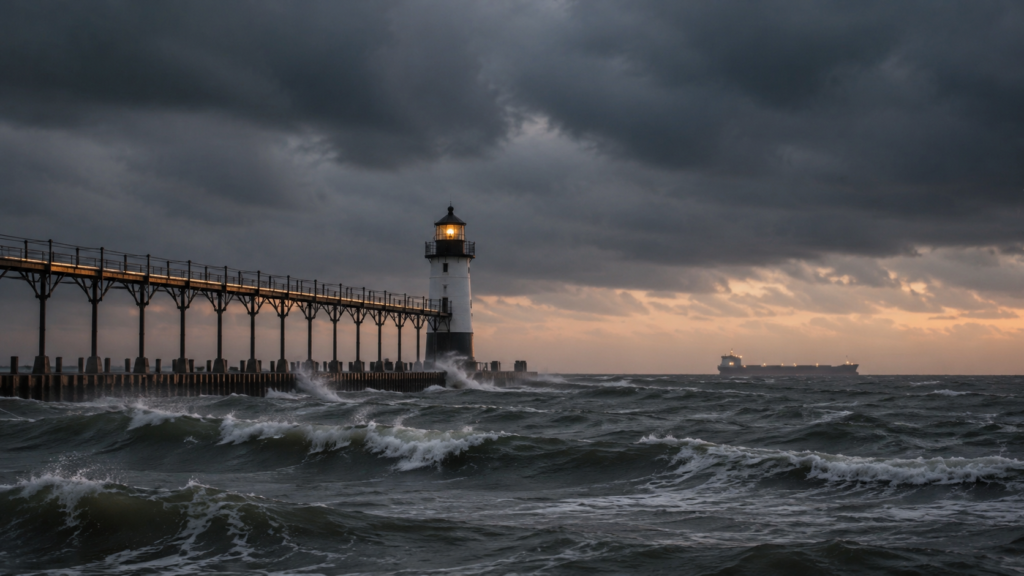
Why the Lighthouses of Southwest Michigan Belong on Every Lake Michigan Itinerary
Some of my favorite days exploring Southwest Michigan haven’t followed a strict itinerary. They’ve started with a hot cup of coffee, an easy drive along the shoreline, and a simple plan to visit a lighthouse or two before seeing where the day leads. More often than not, those outings have turned into lingering over lunch at a local café, discovering a waterfront trail I hadn’t noticed before, or watching a freighter ease into the harbor while people gathered along the pier to watch it pass.
That’s part of what makes Southwest Michigan’s lighthouses so rewarding to explore. They’re far more than landmarks at the end of a pier. Each one reflects the character of the community that grew around it. St. Joseph’s twin lights welcome visitors to one of the region’s busiest waterfronts, South Haven’s bright red beacon has become an unmistakable symbol of the city, Holland’s beloved “Big Red” stands apart with one of Michigan’s most recognizable silhouettes, and Grand Haven’s catwalk has long drawn photographers, anglers, and evening walkers alike. Visiting them isn’t simply about taking a photograph—it’s an opportunity to experience four communities that each tell a different chapter of Michigan’s maritime story.
One of the questions I hear most often is, “Which lighthouse should I visit first?” The answer depends less on the lighthouse itself and more on the kind of day you’re hoping to have. Families often appreciate St. Joseph because it’s easy to combine with nearby attractions. South Haven is an excellent choice if you’d like to spend time browsing downtown before walking out to the pier. Holland rewards photographers with one of the state’s most iconic lighthouse views, while Grand Haven is a natural addition for travelers extending their shoreline adventure a little farther north. Rather than ranking one above another, this guide will help you decide which stops best match your interests and the time you have available.
As you read, I’ll share the practical details that make planning easier, from choosing the right order to visit each lighthouse to understanding how much time you’ll realistically want at each stop. If you’re building a longer itinerary, you’ll also find opportunities to continue your planning with Things to Do in Southwest Michigan, Southwest Michigan Beaches, Where to Stay in Southwest Michigan, and the individual guides for each harbor town featured along the route.
The most memorable lighthouse trips aren’t the ones where you check off the greatest number of stops. They’re the ones where you slow down enough to enjoy what surrounds them. Spend a little extra time strolling a pier, watching boats navigate the harbor, or exploring a nearby downtown before heading to your next destination, and you’ll quickly discover that the lighthouse often becomes the starting point for a much richer Southwest Michigan experience.
St. Joseph North Pier Lighthouse
Friends often ask me which lighthouse they should visit first, especially if they only have a weekend to explore Southwest Michigan. My answer is almost always the same: start with St. Joseph. It’s one of those places where the lighthouse is only part of the experience. You can spend the morning walking the pier, watch boats navigate the St. Joseph River channel, enjoy lunch nearby, and easily fill the rest of the day exploring the waterfront and downtown without ever feeling rushed.
One feature that surprises many first-time visitors is that St. Joseph is home to two working lighthouse structures rather than one. The black-and-white Outer Light stands at the end of the North Pier, while the red-and-white Inner Light sits farther inland. Together they form a range light system that has guided vessels safely into the harbor for generations. Once you understand how the two lights work together, you begin to appreciate that they weren’t simply built as landmarks—they were designed as practical tools that helped captains safely navigate one of Michigan’s busiest commercial and recreational harbors.
Walking the North Pier is still the best way to experience the lighthouse up close. As you make your way toward the end of the pier, you’ll pass beneath the historic steel catwalk that once allowed lighthouse keepers to reach the light above crashing waves and winter ice. Although the elevated catwalk itself is not open to visitors, seeing its engineering from below gives you a better appreciation for the challenges of maintaining a lighthouse in every season.
Conditions on the pier can change quickly. Calm summer mornings often make for an easy, enjoyable walk, while windy days can bring spray across the concrete long before waves appear dramatic from shore. After storms or during the winter months, the surface can become extremely slippery, and local officials occasionally close the pier when conditions are unsafe. If barriers are in place, it’s best to admire the lighthouse from the shoreline instead. The views are still excellent, and no photograph is worth risking your safety.
One experience many visitors overlook is the opportunity to climb the Inner Light. During the summer season, local organizations often offer guided tours that allow visitors to enter the tower and enjoy panoramic views overlooking the harbor and city. Tour schedules vary from year to year, so it’s worth checking current availability before your visit if climbing the lighthouse is on your wish list.
If photography is your priority, don’t feel like you need to walk all the way to the end of the pier for every shot. Some of my favorite images come from Tiscornia Beach, where both lighthouse structures can often be framed together with the harbor entrance. The South Pier offers another perspective, particularly when boats are moving through the channel. Visiting at different times of day can completely change the character of your photographs, so if your schedule allows, don’t hesitate to return later rather than trying to capture everything in one visit.
Parking is generally straightforward once you know which experience you’re after. If your main goal is reaching the North Pier, the public parking areas near Tiscornia Beach provide the most convenient access. Planning to combine your lighthouse visit with the waterfront attractions on the south side of the river? Parking near Silver Beach puts you within easy walking distance of the beach, the Silver Beach Carousel, and the pedestrian route leading toward downtown. During peak summer weekends, arriving earlier in the day usually means easier parking and a quieter experience along the pier.
One reason I continue recommending St. Joseph as a first lighthouse stop is that it never feels like a destination you simply check off a list. After your walk, you can spend time exploring Silver Beach, ride the beautifully restored Silver Beach Carousel, browse locally owned shops, or settle into one of the city’s waterfront cafés or restaurants. If you’re planning to stay awhile, our Saint Joseph Travel Guide offers a deeper look at the city’s attractions, while Restaurants in Saint Joseph can help you find the right place to enjoy lunch or dinner before continuing your journey along Southwest Michigan’s shoreline.
South Haven Lighthouse
One of the things I enjoy most about visiting South Haven is how naturally the lighthouse becomes part of the day. You don’t have to build an entire itinerary around it. Instead, it fits seamlessly into a morning exploring downtown, an afternoon by the waterfront, or an evening stroll before dinner. That’s one of the reasons I often recommend South Haven to first-time visitors who want to experience more than just a quick photo stop.
Officially known as the South Haven South Pierhead Light, the bright red lighthouse has become the city’s best-known landmark. Its vivid color once helped captains identify the harbor entrance from offshore, and today it serves as an unmistakable symbol of South Haven itself. Standing at the end of the South Pier, it has welcomed generations of commercial vessels, charter boats, sailors, and recreational boaters navigating the mouth of the Black River.
One detail that’s easy to miss until you’re standing beside it is the historic steel catwalk running above the pier. Before modern transportation made maintenance easier, lighthouse keepers relied on this elevated walkway to safely reach the light during rough conditions, even when waves crashed across the breakwater below. While visitors can’t walk on the catwalk today, seeing it from beneath offers a fascinating glimpse into the practical engineering that kept the lighthouse operating year-round.
Getting to the lighthouse is refreshingly simple once you know where to go. From downtown, follow Water Street toward the riverfront and continue onto the South Pier. The route is paved, mostly level, and easy to enjoy at a relaxed pace. One point that often surprises first-time visitors is that the Black River divides South Haven’s shoreline into two distinct public beach areas. If your goal is walking to the lighthouse, head toward South Beach. Parking at North Beach provides excellent views across the channel, but you won’t be able to walk directly to the lighthouse from there without returning through downtown and crossing the river.
If you’re visiting during the busy boating season, don’t be surprised if your walk briefly pauses while the Dyckman Avenue drawbridge opens for passing boats. Watching sailboats and larger vessels move through the channel has become part of everyday life here, and many visitors find themselves lingering along the riverfront to enjoy the scene before continuing toward the pier.
Like any Great Lakes breakwater, the South Pier deserves respect. Calm summer mornings usually provide an easy walk, but changing winds can quickly send waves across the concrete. During severe weather or icy winter conditions, local officials may temporarily restrict access to protect visitors. Even when the pier is closed, you’ll still find outstanding views of the lighthouse from nearby parks and the shoreline.
South Haven rewards repeat visits because the experience changes throughout the year. Summer brings a lively waterfront filled with boat traffic and visitors enjoying the riverfront. Autumn offers quieter walks as colorful trees frame portions of the Black River. Winter transforms the lighthouse into one of Michigan’s most striking cold-weather landmarks, with layers of ice sometimes coating the tower and catwalk after prolonged periods of freezing spray. Each season offers a completely different perspective without changing the character of the lighthouse itself.
For photographers, the classic image comes from walking the South Pier, but it’s far from the only worthwhile viewpoint. One of my favorite perspectives is from North Beach, where you can look back across the Black River and capture the entire length of the pier leading to the lighthouse. If you have extra time, the overlook at Stanley Johnston Park offers another angle that many visitors miss, providing a broader view of the harbor entrance and the activity surrounding it.
Another reason I continue recommending South Haven is how easily the lighthouse connects with the rest of the city. After your walk, you can spend time relaxing at South Haven Beaches, browse locally owned shops, enjoy the riverfront parks, or settle into one of the city’s cafés or restaurants without moving your car very far. If you’re planning to explore beyond the waterfront, our South Haven Travel Guide highlights additional attractions throughout the city, while Restaurants in South Haven can help you find everything from casual lunches to memorable dinners within easy reach of the harbor.
Holland Harbor Lighthouse (“Big Red”)
Ask almost anyone to picture a Michigan lighthouse, and there’s a good chance they’re imagining Big Red. Officially known as the Holland Harbor Lighthouse, it’s one of the state’s most photographed landmarks and an unmistakable symbol of Holland’s waterfront. Unlike the lighthouses in St. Joseph or South Haven, though, Big Red isn’t a place you walk out and touch. Instead, it’s a lighthouse that’s meant to be admired from across the channel, and that different perspective is part of what makes visiting it such a memorable experience.
Positioned where Lake Macatawa meets Lake Michigan, the lighthouse stands on the south side of the channel within the private Macatawa Park community. Its distinctive square shape, Dutch-inspired architecture, and bold red exterior have made it one of Michigan’s most recognizable structures. Interestingly, the lighthouse wasn’t always red. It was originally painted in lighter colors before receiving its now-famous crimson appearance in the mid-1950s, improving its visibility for vessels entering the harbor. Today, that vibrant color has become as much a part of Holland’s identity as its tulips and windmills.
The first piece of advice I give friends is simple: don’t spend time trying to figure out how to reach the lighthouse itself. Public access to the structure is extremely limited, and the surrounding neighborhood is private. Instead, plan your visit around the outstanding public viewpoints on the opposite side of the channel. You’ll enjoy the same iconic scenery without the frustration of searching for access that generally isn’t available.
For most visitors, Holland State Park is the best place to begin. The park provides the classic postcard view looking across the channel toward Big Red, with plenty of space to linger and watch boats traveling between Lake Macatawa and Lake Michigan. If you’re arriving by vehicle, keep in mind that entry to the state park requires a Michigan Recreation Passport or a daily vehicle pass. During summer weekends, the parking lots can fill early, so arriving in the morning often makes for a much more relaxed visit.
If you’re looking for a different perspective, head to the nearby Mount Pisgah Dune Boardwalk. The wooden staircase climbs more than 150 steps, rising roughly 230 feet above the water before reaching the overlook at the top. It’s enough of a climb that you’ll want comfortable shoes and perhaps a bottle of water, but the reward is one of the finest panoramic views along Michigan’s shoreline. From the summit, you can see the channel, the lighthouse, Holland State Park, and the surrounding landscape all at once, giving you an appreciation for how this harbor fits into the larger coastline.
Big Red is also one of the easiest lighthouses to photograph because the viewing locations naturally encourage different compositions. From Holland State Park, you can frame the lighthouse with the channel and passing boats, while Mount Pisgah offers a sweeping aerial perspective that few visitors expect. Rather than rushing from one viewpoint to another, spend a little time watching the harbor traffic. Sailboats, fishing boats, and larger vessels moving through the narrow channel add life to the scene and often create the most memorable photographs of the day.
Because you’re viewing the lighthouse from across the water rather than standing beside it, the experience feels surprisingly peaceful. There’s no need to hurry. Find a comfortable spot, watch the boats come and go, and take in the changing light as it reflects across the harbor. Sometimes the most enjoyable part of visiting Big Red isn’t the lighthouse itself but simply spending time in a place that encourages you to slow down.
After your visit, it’s easy to continue exploring the area. Holland State Park offers additional opportunities for walking and relaxing, while the trails around Mount Pisgah provide another way to experience the landscape from above. If you have extra time, downtown Holland is only a short drive away, where you’ll find locally owned shops, restaurants, breweries, and seasonal events throughout the year. As Explore Southwest Michigan continues to grow, our upcoming Holland Travel Guide will cover the city’s waterfront, downtown, parks, restaurants, and festivals in greater detail, making it easy to turn a lighthouse stop into a full day of exploring.
Grand Haven South Pier Lighthouse: A Worthwhile Detour Beyond Southwest Michigan
Grand Haven sits a little north of the core Southwest Michigan route, so I wouldn’t treat it as essential if you’re short on time. But if you’re already visiting Holland’s Big Red and want to extend your lighthouse trip farther up the shoreline, Grand Haven is one of the most rewarding add-ons you can make. It feels less like a quick detour and more like a proper finale, especially if you time your visit for late afternoon or evening.
The harbor features two distinct cherry-red structures on the south pier: a square fog signal building near the lake end and a cylindrical inner light tower closer to shore. Connecting them is Grand Haven’s long elevated steel catwalk, one of the most memorable visual features of the waterfront. At dusk, when the catwalk lights begin to glow, the whole scene takes on a different character than the quieter daylight views you’ll find at some of the smaller lighthouse stops.
What makes Grand Haven especially enjoyable is how naturally the lighthouse connects with the city’s paved boardwalk along the Grand River channel. The full boardwalk stretches about 1.5 miles, giving visitors a clear, comfortable route from the downtown waterfront toward the pier. You can walk past boats, concessions, benches, and gathering spots along the way, which makes the journey feel like part of the experience rather than just transportation to the lighthouse.
If you’re visiting mainly for the lighthouse, allow more time here than you might expect. Walking the full route out and back can take longer than a quick map glance suggests, especially if you’re stopping for photos, watching boats pass through the channel, or travelling with children. As with any pier along this shoreline, avoid walking out when waves are breaking across the concrete or when winter ice makes footing uncertain.
Grand Haven is also a good choice if you want your lighthouse stop to feel lively rather than quiet. During the warmer months, the waterfront often has steady foot traffic, boats moving through the channel, people fishing along the pier, and visitors settling near the water as evening approaches. It has more of a community gathering-place feel than some lighthouse stops, which can be a plus if you enjoy a little energy around you.
One reason I like Grand Haven as an evening stop is the nearby Grand Haven Musical Fountain. During its operating season, the fountain adds an easy after-dinner activity that pairs well with a lighthouse visit. You can walk the waterfront, watch the light change over the pier, then stay for the fountain show without needing to completely rework your plans. Check the current schedule before making the drive, since showtimes and seasonal dates can vary.
For travellers building a one-day lighthouse route, I would make Grand Haven optional rather than mandatory. St. Joseph, South Haven, and Holland already create a satisfying Southwest Michigan itinerary. Add Grand Haven if you have the energy, if you’re staying overnight nearby, or if you want a longer shoreline drive with a memorable evening finish. If your day is already running late, don’t force it. This is one of those stops that’s far better enjoyed with enough time to walk the boardwalk, linger near the channel, and let the evening unfold at a comfortable pace.
Which Lighthouse Is Right for You?
If you only have time for one or two lighthouse stops, don’t worry about choosing the “best” one. Choose the one that fits the kind of day you actually want to have. Each lighthouse in this guide offers a different experience, and matching the stop to your travel style will make the visit much easier to enjoy.
| Your Travel Style | Best Match | Why It Fits |
| Families with kids or strollers | St. Joseph North Pier Lighthouse | Easy to pair with Silver Beach County Park, paved waterfront areas, the playground, the carousel, and nearby downtown attractions. |
| Food lovers and casual walkers | South Haven Lighthouse | The Black River waterfront connects the downtown shopping and dining area with the South Pier, making it easy to build the lighthouse into lunch or dinner plans. |
| Photography-focused visitors | Holland Harbor Lighthouse “Big Red” | The view from Holland State Park gives you the classic Big Red image across the channel, while Mount Pisgah offers a higher overlook if you are up for the climb. |
| Evening strollers and couples | Grand Haven South Pier Lighthouse | The 1.5-mile paved boardwalk, illuminated catwalk, and nearby Musical Fountain make this a strong choice for a slower evening visit. |
| Winter scenery seekers | St. Joseph North Pier Lighthouse | The twin lights and catwalk can look dramatic in snow and ice, though winter viewing is safest from shore when conditions are rough. |
| First-time visitors who want convenience | South Haven Lighthouse | It is easy to find, easy to reach from the correct side of the Black River, and simple to combine with nearby restaurants, shops, and parks. |
| Travelers who want a bonus stop | Grand Haven South Pier Lighthouse | It sits beyond the core Southwest Michigan route, but it rewards visitors who have enough time for the full boardwalk-and-waterfront experience. |
For most first-time visitors, I would choose St. Joseph or South Haven if convenience matters most. Both let you walk to the lighthouse and easily add food, shopping, or beach time without much extra planning. If photography is your main goal, Holland’s Big Red deserves the extra effort because its best views come from across the channel rather than from standing beside it.
Grand Haven is the one I would save for travelers with more time. It is absolutely worth visiting, but it works best when you can slow down, walk the boardwalk, and stay into the evening. If your schedule is already full, enjoy the core Southwest Michigan route first and treat Grand Haven as a bonus stop rather than a required one.
Tips Before Visiting Southwest Michigan’s Lighthouses
A little planning goes a long way when you’re visiting Southwest Michigan’s lighthouses. They’re easy places to enjoy, but a few local tips can make the day smoother, safer, and more rewarding. These are the same things I’d tell a friend before sending them out on their first lighthouse road trip.
Parking
Each lighthouse has its own parking situation, so it’s worth knowing what to expect before you arrive. St. Joseph and South Haven both offer convenient public parking within walking distance of their piers, although lots can fill quickly on warm summer weekends. Holland’s best public views are from Holland State Park, which requires a Michigan Recreation Passport or other applicable park admission. Before heading there, it’s a good idea to check the current admission requirements through the Michigan Department of Natural Resources. Grand Haven has several public parking areas near the downtown waterfront, but remember that you’ll still have about a 1.5-mile walk along the boardwalk before reaching the South Pier Lighthouse.
If your schedule is flexible, arriving before mid-morning usually means easier parking, fewer crowds, and a quieter experience along the waterfront. You’ll also have more flexibility to linger without worrying about finding another parking space later in the day.
Respect the Piers
One of the biggest mistakes first-time visitors make is assuming the piers are just another sidewalk. They aren’t.
The concrete surfaces are constantly exposed to wind, waves, and changing temperatures. Even on days that appear calm from shore, spray can leave sections unexpectedly slippery. During late autumn and winter, thin layers of ice may blend into the concrete, making hazardous spots difficult to recognize until you’re already standing on them.
If local officials have closed a pier or posted warning signs, treat those closures seriously. They’re based on real conditions, not inconvenience. Every year, emergency responders assist visitors who underestimated the force of waves or the danger of icy surfaces. The shoreline offers excellent views without taking unnecessary risks.
A comfortable pair of walking shoes with good traction is one of the simplest ways to make your visit safer, especially if you’re planning to explore multiple lighthouse locations in one day.
Watch the Lake, Not Just the Forecast
Weather apps tell only part of the story along the Great Lakes. Before leaving for the day, take a moment to check the National Weather Service Grand Rapids Marine Forecast or the current Great Lakes beach hazard forecasts. These resources provide a much better picture of wave heights, wind conditions, and potential hazards than a standard weather app.
The forecast can also help you plan your route. If stronger winds or higher waves are expected later in the afternoon, visiting a pier in the morning may provide calmer walking conditions. On rough-weather days, viewpoints such as Mount Pisgah or the shoreline near South Haven often offer spectacular views without requiring a walk onto an exposed breakwater.
Look for Different Perspectives
Every lighthouse has a photograph that appears on postcards and travel brochures, but don’t feel like you have to stand in exactly the same place.
Some of my favorite images come from stepping back a little farther and including the surroundings that make each lighthouse unique. In St. Joseph, that might mean framing both range lights together. In South Haven, try photographing the lighthouse from across the Black River instead of only from the South Pier. At Holland, the changing position of boats moving through the channel often adds scale and life to the scene, while Grand Haven’s illuminated catwalk creates an entirely different atmosphere as evening settles in.
A few extra minutes exploring different viewpoints often produces photographs that better capture the experience of visiting each location rather than simply documenting the lighthouse itself.
Every Season Changes the Experience
Summer offers the longest days, the busiest waterfronts, and the easiest walking conditions. If you’re combining lighthouse visits with beaches, festivals, or outdoor dining, it’s an excellent time to explore.
Spring and fall provide a quieter pace. Parking is generally easier, temperatures are comfortable for walking, and you’ll spend less time navigating crowds. Fall also brings colorful riverfront landscapes and forests that create a different backdrop than you’ll find during the peak summer season.
Winter creates some of Michigan’s most dramatic lighthouse scenes. Freezing spray can coat towers, catwalks, and piers in thick layers of ice, transforming familiar landmarks into remarkable natural sculptures. They’re unforgettable to see, but they’re also the season when respecting barriers and viewing from safe public areas becomes most important.
No matter what time of year you visit, leave a little room in your schedule for the unexpected. You might pause to watch a freighter enter the harbor, linger while a drawbridge opens for passing sailboats, or spend longer than planned enjoying a view that simply feels worth slowing down for. Those unplanned moments often become the memories you’ll talk about long after the trip is over.
A Lighthouse Road Trip Through Southwest Michigan
If you’re hoping to experience several of Southwest Michigan’s most memorable lighthouses in a single day, this route flows naturally from south to north without feeling rushed. The key isn’t trying to spend as little time as possible at each stop. Instead, give yourself permission to slow down. The best lighthouse trips are the ones where you pause to watch a freighter enter the harbor, wander into a local café you hadn’t planned to visit, or stay a little longer because the view keeps changing.
Morning: St. Joseph
Start your day in St. Joseph, where the waterfront is often at its quietest during the morning. Parking is usually easier, the North Pier is less crowded, and the softer light is ideal for appreciating the twin range lights before the busiest part of the day.
After walking the pier, take a little time to enjoy Silver Beach, grab breakfast or coffee downtown, or simply watch boats navigating the St. Joseph River channel before continuing north. If you’d like to spend more time here, our Saint Joseph Travel Guide highlights additional attractions that are easy to add to your morning.
Drive to South Haven: Approximately 35 minutes (30 miles)
Lunch: South Haven
South Haven makes an excellent midday stop because everything is close together. After parking downtown, it’s an easy walk along the Black River to the South Haven South Pierhead Light, with restaurants, cafés, and shops all within a few blocks.
This is a great place to slow down over lunch before continuing your journey. Afterward, stroll out to the lighthouse, spend a little time along the riverfront, and enjoy the waterfront atmosphere before getting back on the road. If you’re looking for dining ideas or additional attractions, our South Haven Travel Guide and Restaurants in South Haven can help you make the most of your visit.
Drive to Holland: Approximately 40 minutes (32 miles)
Afternoon: Holland
By afternoon, you’ll arrive in Holland, where the experience changes completely. Unlike St. Joseph or South Haven, Big Red isn’t about walking to the lighthouse—it’s about appreciating it from across the channel.
Make Holland State Park your primary destination and spend a little time watching boats move between Lake Macatawa and Lake Michigan. If you’re feeling energetic, climb the Mount Pisgah boardwalk for sweeping views over the harbor and one of the best elevated perspectives anywhere along this stretch of shoreline.
This stop naturally encourages a slower pace, making it a relaxing contrast to the earlier lighthouse walks.
Drive to Grand Haven: Approximately 35 minutes (23 miles)
Sunset: Grand Haven (Optional)
If you’ve still got plenty of daylight and energy left, continue north to Grand Haven for an optional finale.
The long waterfront boardwalk, illuminated catwalk, and cherry-red lighthouse create a completely different atmosphere from the previous stops. Evening is when Grand Haven really comes alive, with people strolling the riverfront, boats returning to the harbor, and visitors gathering along the channel.
During the operating season, you can finish the day by watching the Grand Haven Musical Fountain, making Grand Haven an especially enjoyable overnight stop if you’re planning to continue exploring West Michigan.
Road Trip at a Glance
| Stop | Approximate Drive |
| St. Joseph → South Haven | 35 minutes (30 miles) |
| South Haven → Holland | 40 minutes (32 miles) |
| Holland → Grand Haven (Optional) | 35 minutes (23 miles) |
Total driving distance: Approximately 85 miles
Total driving time: About 1 hour 50 minutes
A Local Planning Tip
If you’re visiting between late spring and early fall, start your day as early as your schedule allows. St. Joseph, South Haven, Holland State Park, and Grand Haven all become considerably busier by late morning, particularly on weekends and holiday weekends. Beginning early usually means easier parking, quieter piers, and a much more relaxed experience at your first two lighthouse stops.
One final piece of advice: don’t feel obligated to complete the entire route in one day. If your schedule allows, spreading these stops across a weekend creates a more enjoyable trip. You’ll have time to linger over meals, explore each community beyond its lighthouse, and discover the little moments that rarely appear on an itinerary but often become the highlight of the journey.
Frequently Asked Questions
Can you walk to all of the lighthouses?
Not all of them. You can walk to the lighthouses in St. Joseph, South Haven, and Grand Haven by following their public piers, provided the piers are open and conditions are safe. Holland Harbor Lighthouse (“Big Red”) is different. It sits on private property, so the best experience comes from viewing it across the channel at Holland State Park or from the overlook at Mount Pisgah.
Which lighthouse is best for first-time visitors?
If you’re only visiting one lighthouse, I’d recommend St. Joseph or South Haven. Both are easy to reach, fit naturally into a day of exploring, and don’t require much planning. St. Joseph is a great choice if you’re traveling with children or want to spend time at Silver Beach, while South Haven is ideal if you’d like to combine your lighthouse visit with shopping, dining, and a stroll along the Black River.
Which lighthouse is best for photography?
Each lighthouse has its own personality. Holland’s Big Red offers Michigan’s classic postcard view from across the channel. St. Joseph lets you photograph both range lights together, South Haven pairs its lighthouse with the riverfront and marina, and Grand Haven’s illuminated catwalk creates one of the state’s most distinctive evening scenes.
Are the lighthouses open year-round?
The lighthouses themselves remain in place year-round, and most surrounding public areas are accessible throughout the seasons. However, weather, wave conditions, or ice can lead to temporary pier closures. Winter can produce spectacular views, but it’s also when visitors should expect the greatest safety restrictions.
Can you go inside any of the lighthouses?
Most visitors experience these lighthouses from the outside, but seasonal tours are sometimes available at the St. Joseph North Pier Inner Light. These tours are currently coordinated through St. Joe Today during the summer season. Because schedules, availability, and admission details can change from year to year, it’s worth checking the current tour information before your visit if climbing the lighthouse is on your wish list.
How long should I plan for each stop?
If your goal is simply to walk to the lighthouse, take a few photographs, and continue your drive, plan on about 45 minutes at St. Joseph or South Haven. If you’d like to enjoy the surrounding community as well, allow two to three hours at each destination. Grand Haven generally requires a little more time because of its longer boardwalk, while Holland often encourages visitors to linger at Holland State Park or climb Mount Pisgah for additional views.
Can I visit all of these lighthouses in one day?
Yes. Most travelers can comfortably visit St. Joseph, South Haven, and Holland in a full day. Grand Haven works best as an optional extension if you have additional time or plan to stay into the evening. If your schedule allows, spreading the route across a weekend creates a more relaxed experience and gives you time to enjoy each community beyond its lighthouse.
Where should I stay if I want to explore multiple lighthouses?
If your plans focus on the southern part of the route, St. Joseph and South Haven both make excellent home bases. If Holland and Grand Haven are high on your list, staying farther north can reduce driving time. Our Where to Stay in Southwest Michigan guide compares the region’s best places to stay so you can choose a location that fits the attractions and pace you’re looking for.
Continue Exploring Southwest Michigan
One of the things I’ve come to appreciate after years of exploring Southwest Michigan is that the lighthouses are rarely the whole story. They may be the reason you set out for the day, but they’re often what lead you to discover a favorite beach, a family-owned restaurant, a scenic trail, or a waterfront community you’ll find yourself wanting to visit again.
If this guide helped you map out your lighthouse route, the next step is deciding what you’d like to experience between each stop. Our Things to Do in Southwest Michigan guide brings together many of the region’s parks, attractions, seasonal activities, and outdoor adventures, making it a great starting point if you’re building a longer itinerary. If your plans revolve around spending more time along the shoreline, our Southwest Michigan Beaches guide will help you compare the area’s best stretches of sand, family-friendly parks, and quieter waterfront escapes.
Planning to stay overnight? Before you book, take a look at Where to Stay in Southwest Michigan, where you’ll find lodging recommendations throughout the region—from lakeside resorts and boutique inns to vacation rentals that make excellent home bases for exploring several beach towns in one trip.
If one community especially caught your attention, continue planning with our destination guides. The Saint Joseph Travel Guide explores everything from the waterfront to downtown attractions, while the South Haven Travel Guide highlights additional parks, museums, shopping, and seasonal events. When it’s time to choose a place to eat, our Restaurants in Saint Joseph and Restaurants in South Haven guides can help you narrow the options, whether you’re looking for a quick lunch before your next lighthouse or a relaxing dinner to end the day.
One piece of advice I always share with first-time visitors is this: don’t judge Southwest Michigan by how many places you can fit into a schedule. Pick a few communities that genuinely interest you, leave yourself room to wander, and allow the day to unfold naturally. Some of my favorite memories have come from the unplanned moments—a conversation on a pier, an extra stop at a local bakery, or deciding to follow a scenic road simply to see where it leads.
The lighthouses will still be there the next time you visit. That’s one of the best things about this corner of Michigan. There is always another shoreline to explore, another harbor to discover, and another reason to come back.