A practical guide to Southwest Michigan’s beaches, blossoms, harvest activities, winter recreation, weather, and crowds
When Is the Best Time to Visit Southwest Michigan?
Southwest Michigan does not offer the same trip four seasons in a row. Summer brings swimming, boating, festivals, lighthouse tours, and the fullest attraction schedules, but it also brings crowded beaches, limited parking, and higher demand for lodging. If your ideal visit includes long days near the water and the greatest number of choices, summer remains the safest bet—but it requires the most advance planning.
The other seasons reward travelers differently. Spring favors wildflowers, orchard blossoms, birding, and quieter trails, although cool conditions can delay outdoor plans. Fall combines comfortable hiking weather with apple orchards, changing leaves, and wine-country weekends. Winter is quieter still, with holiday events, snow-dependent recreation, and indoor stops taking priority. This guide compares what each season does best, what conditions you can realistically expect, and which trade-offs matter when choosing your dates. If you are still deciding what belongs on your itinerary, start with the broader guide to things to do in Southwest Michigan and return here to match those experiences with the right time of year.
When Is the Best Time to Visit Southwest Michigan?
The best time to visit depends less on finding perfect weather and more on choosing the experience you want. This quick comparison shows the principal trade-offs:
| Season | Best For | Crowds | Main Consideration |
| Spring | Blossoms, hiking, birding, quieter towns | Low to moderate | Cool, changeable conditions |
| Summer | Beaches, boating, festivals, family trips | High | Parking and lodging demand |
| Fall | Foliage, orchards, wineries, scenic drives | Moderate | Busy harvest weekends |
| Winter | Snow activities, holiday events, quiet escapes | Low | Lake-effect snow and reduced hours |
Summer is the most dependable choice for a traditional Lake Michigan vacation. Beach facilities, boat rentals, lighthouse tours, outdoor events, and family attractions generally operate on their fullest schedules. That convenience comes with a price: popular communities and shoreline parks become noticeably busier, especially from Friday afternoon through Sunday. Families tied to school calendars will find the greatest variety in summer, but travelers with flexible dates can make parking and lodging easier by visiting during the week.
Spring, fall, and winter require more flexibility, yet each offers a reason to come. Spring suits hikers, birders, and visitors interested in orchard blossoms without peak-season traffic. Fall is stronger for scenic drives, farm stops, and winery weekends, although Saturdays during harvest season may be busier than expected. Winter works best for travelers comfortable building plans around current conditions and shorter business hours.
One detail catches first-time visitors off guard: the lakeshore and inland countryside do not always feel like the same destination on the same day. Cold lake water can keep shoreline communities cooler in spring, while lake-effect snow may create localized winter driving conditions. Check forecasts for the specific town you plan to visit rather than relying on a regional forecast alone.
Spring in Southwest Michigan
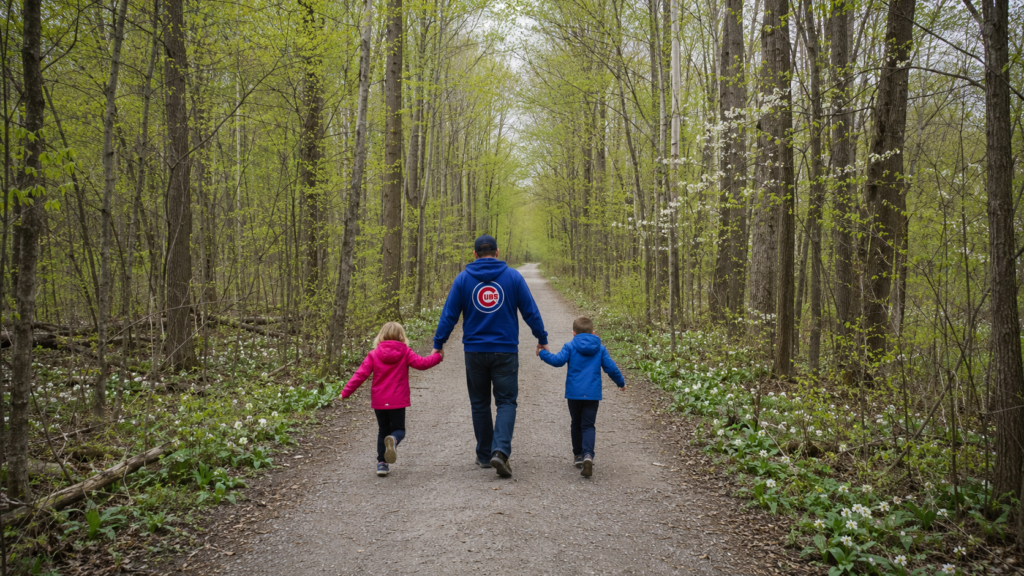
Spring arrives in stages across Southwest Michigan. Inland orchards may begin flowering while the lakeshore still feels several weeks behind, and a mild afternoon can quickly give way to a cold breeze. That uneven transition is part of the season’s appeal: trails are quieter, migrating birds are moving through, and shops and attractions gradually reopen without summer’s heavier traffic.
What to Do in Spring
Fruit-growing areas in Berrien and Van Buren counties are especially rewarding when apple, peach, and cherry trees begin blooming. The timing changes from year to year, so think of the blossoms as a bonus rather than the sole reason for your trip. A country drive between farm communities lets you enjoy the scenery without entering private orchards or blocking narrow roads for photographs.
Cooler temperatures also make spring a comfortable time to hike. Woodland trails may produce trilliums, bluebells, and other wildflowers before the tree canopy fills in, while wetlands and nature preserves attract migrating birds. Trails through the state parks in Southwest Michigan provide several settings to choose from, but nature centers can be a better fit for families who want shorter paths, wildlife exhibits, or staff guidance.
Beachcombing is more appealing before swimming season fills the shoreline. Walk slowly and look for beach glass, fossils, and unusual stones, but leave protected natural and historic materials where you find them. Lighthouse areas are also easier to photograph without summer crowds, even when tower tours have not yet started. The guide to the lighthouses of Southwest Michigan can help you distinguish between lights that offer tours and those best viewed from public parks or waterfront paths.
Cold or rainy days do not have to become lost days. Downtown museums, independent shops, wineries, and breweries provide useful alternatives, particularly during a weekend getaway. Spring’s lighter traffic makes it easier to visit several communities, although checking hours before setting out remains important.
Spring Planning Advice
Treat March as an extension of winter and April as unpredictable. May usually brings more reliable outdoor opportunities, but shoreline communities can remain considerably cooler than inland towns because Lake Michigan warms slowly. Pack a wind-resistant outer layer even when the inland forecast looks mild.
Rain and thawing ground can leave unpaved trails muddy. Waterproof footwear helps, and choosing a paved waterfront path or nature-center boardwalk can save the day when woodland trails are saturated. Avoid walking around trail closures; they often protect both visitors and easily damaged terrain.
Blossom dates, lighthouse tours, concessions, public restrooms, and seasonal attractions do not follow one universal opening schedule. Verify hours directly before driving any considerable distance. For a more detailed look at bloom periods, spring events, and weather-ready itineraries, continue to spring in Southwest Michigan.
Summer in Southwest Michigan
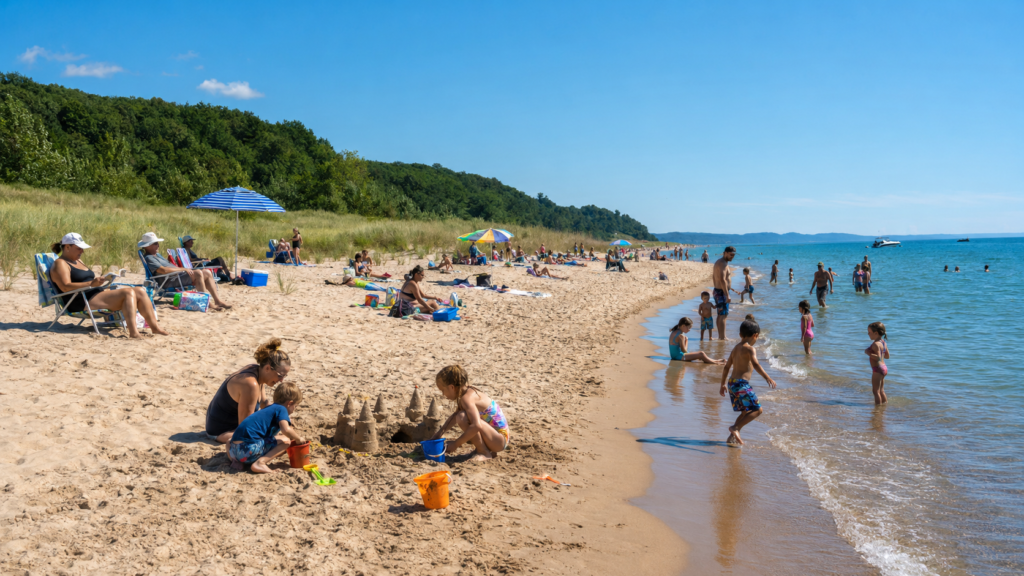
Summer is when Southwest Michigan operates at full speed. Beach facilities, boat rentals, lighthouse tours, markets, festivals, and seasonal attractions are generally available on their broadest schedules. It is the easiest season for filling an itinerary, but spontaneity becomes harder on warm weekends when parking, restaurant tables, and conveniently located lodging are in greatest demand.
What to Do in Summer
Most summer trips begin near the water, but choosing the right beach matters more than simply choosing the closest one. Families may prefer a developed beach with restrooms, concessions, and nearby attractions, while travelers seeking a quieter day may accept a longer walk or fewer facilities. The guide to Southwest Michigan beaches compares those differences so you can choose based on accessibility, amenities, swimming, and the kind of day you have planned.
Dune hikes are best tackled in the morning, before exposed sand becomes hot and the midday sun makes steep climbs more tiring. For time on the water, inland lakes and rivers often provide calmer paddling conditions than Lake Michigan. Kayaks and paddleboards should match the waterway and the user’s experience; a peaceful river outing and an open-lake paddle require different levels of preparation. Boat rentals and guided excursions also tend to book earlier on weekends.
Lighthouse tours, pier walks, farmers markets, outdoor concerts, and community festivals make it possible to combine several experiences without spending the entire day at one attraction. Check event times first, then plan flexible activities around them. Families facing a hot afternoon or a passing storm can turn to carousels, museums, nature centers, and other family attractions in Southwest Michigan rather than abandoning the day.
Wineries and breweries work particularly well at the end of an outdoor itinerary. Summer often adds patios, live music, and extended activity schedules, but popular venues can become crowded. Groups should arrange transportation in advance instead of deciding after tastings have begun.
Summer Planning Advice
Warm Saturdays produce the most pressure on beach parking and harbor communities. Arrive early if one particular beach matters to you; arriving later and circling a full lot wastes time that could be spent elsewhere. Holiday weekends require even earlier planning, especially when a festival or major community event overlaps with good beach weather. Travelers arriving from Chicago or Northwest Indiana should remember that Southwest Michigan follows Eastern Time, one hour ahead of Chicago, when booking tours, rentals, and dinner reservations.
Reserve accommodations before building the rest of the itinerary. The guide to where to stay in Southwest Michigan can help you choose between shoreline convenience, downtown access, and less expensive inland locations. Dinner also deserves forethought. Restaurants near major waterfront areas often develop waits during peak hours, so eat earlier, reserve when possible, or consult Southwest Michigan restaurants for alternatives away from the busiest blocks.
Check swimming conditions before entering the water, even on clear days. Wind, waves, and currents matter more than the appearance of the sky. Keep one indoor option ready for storms rather than overloading the schedule with backups. For deeper help with events, water activities, and peak-season logistics, continue to summer in Southwest Michigan.
Fall in Southwest Michigan
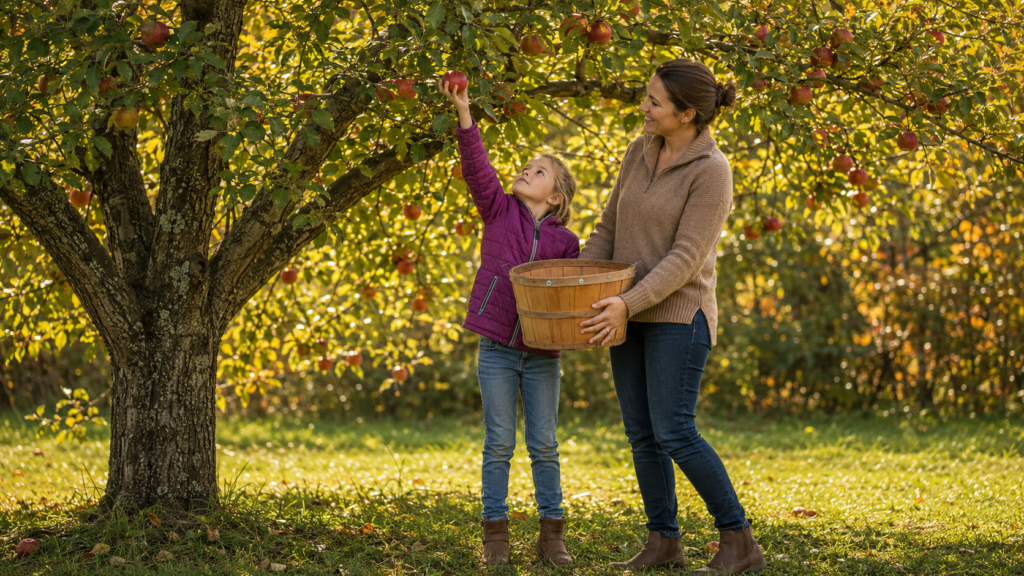
Fall is not simply summer with cooler temperatures. The focus moves inland toward orchards, vineyards, farm markets, wooded trails, and country roads where agriculture shapes the scenery. Beach facilities and seasonal attractions begin scaling back, but outdoor recreation remains comfortable, harvest destinations become more active, and smaller communities settle into a pace that suits unhurried weekend trips.
What to Do in Fall
A fall-color drive works best when it connects places you already want to visit. Instead of spending hours chasing one supposedly perfect road, build a route around an orchard, park, winery, or small-town lunch stop. Wooded back roads provide more continuous color than open farmland, while overlooks and trails let you experience the landscape outside the car. Allow extra time on rural roads, particularly when farm equipment is moving between fields.
Apple orchards, pumpkin patches, and farm markets give fall trips a distinctly agricultural character. Experiences vary considerably: one farm may concentrate on picking fruit and selling produce, while another adds hayrides, corn mazes, baked goods, and children’s activities. Families should check admission policies and activity schedules beforehand. Travelers mainly interested in apples, cider, or doughnuts may prefer a smaller market where a visit does not require most of the day.
Hiking becomes more comfortable once summer heat eases. The guide to state parks in Southwest Michigan can help you choose between wooded trails, lake overlooks, and shorter walks. Fallen leaves can conceal roots, rocks, and uneven ground, so sturdy shoes remain useful even on an otherwise easy route.
Harvest season also draws visitors to Southwest Michigan’s wine country. Tastings can be paired with orchard stops or a scenic drive, but grouping nearby vineyards prevents the day from becoming a long series of car rides. Use the guide to Southwest Michigan wineries to compare locations and plan a sensible route. Cooler shoreline walks, independent shops, and locally owned restaurants make good additions, especially when daylight begins ending earlier.
Fall Planning Advice
Fall color does not peak on a fixed date. Temperature, rainfall, wind, elevation, and proximity to Lake Michigan all influence how quickly leaves change and how long they remain on the trees. Check a current color report shortly before leaving, but avoid rearranging an entire trip around a single prediction. Conditions can vary noticeably within the region.
Do not mistake autumn for an empty off-season. Orchard events, festivals, winery weekends, and October color can fill parking lots and lodging properties, particularly on Saturdays. Reserve accommodations ahead for popular weekends and schedule high-priority stops earlier in the day.
Pack layers because a cold morning may become a mild afternoon. After Labor Day, some beach concessions, tours, and summer-focused businesses reduce their hours or close for the season. Confirm operating schedules directly instead of relying on an older search listing. For a closer look at harvest activities, color timing, and autumn itineraries, continue to fall in Southwest Michigan.
Winter in Southwest Michigan
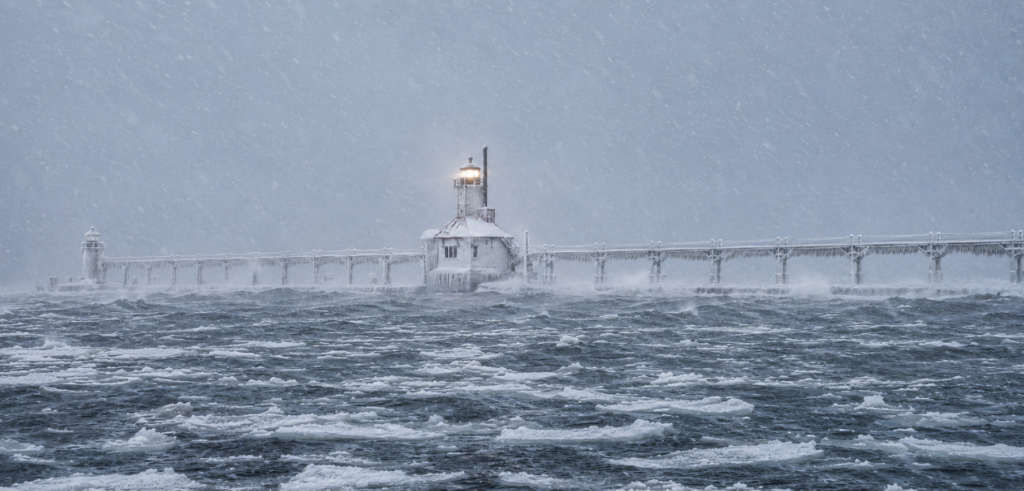
Winter suits travelers who are comfortable letting conditions shape the itinerary. Snow may open the door to outdoor recreation one weekend and disappear during a thaw the next. Holiday events bring activity to the early part of the season, while January and February offer quieter escapes built around uncrowded trails, indoor attractions, good meals, and time away rather than a packed schedule.
What to Do in Winter
Holiday lights, downtown celebrations, markets, and community events provide the most structured winter activities. Dates and schedules change annually, so choose one event as the anchor for the trip and keep the remaining plans flexible. This approach works better than building a weekend around several time-sensitive stops spread across different towns.
Snowshoeing and cross-country skiing can be excellent after sustained snowfall, but do not assume trails will be ready simply because snow appears in the forecast. Check park or trail updates before loading equipment into the car. When snow is thin, winter hiking may be the better option. Wear footwear with reliable traction, and use designated sledding hills rather than unfamiliar slopes where trees, roads, or hidden obstacles create avoidable risks.
Lighthouses and ice-covered shorelines draw photographers, but winter viewing calls for restraint. Public overlooks and shore-based viewpoints provide safer perspectives than icy piers. The guide to the lighthouses of Southwest Michigan can help you identify locations that can be viewed without walking onto exposed structures.
Museums, nature centers, carousels, and other indoor family attractions make useful primary plans rather than mere backups. Adults may prefer a weekend that connects a winery, brewery, or restaurant with one short outdoor excursion. Winter is also well suited to couples who value privacy and a slower pace. When comparing where to stay in Southwest Michigan, prioritize the room and its amenities because you may spend more time there than you would during summer.
Winter Planning and Lake Michigan Safety
Lake-effect snow can change road conditions quickly and may affect one part of Southwest Michigan more heavily than another. Check the forecast, road reports, and any attraction updates before departure and again during the trip. Keep fuel in the car, allow more driving time, and avoid creating an itinerary that depends on crossing the region during worsening conditions.
Never walk onto shoreline ice shelves. They can look solid while hiding gaps, moving water, or steep drop-offs beneath the surface. Frozen piers are equally dangerous because waves can wash over them and leave nearly invisible ice. Observe warning signs, barriers, and closures, and photograph winter conditions from stable public ground.
Reduced business hours are common after the holidays, particularly early in the week. Confirm each important stop directly and keep one dependable indoor option available. For more detail on snow activities, winter events, and cold-weather itineraries, continue to winter in Southwest Michigan.
How to Choose the Right Season for Your Trip
Families who want swimming, boat rentals, and the widest choice of attractions will generally be happiest in summer. This is especially true when children have a particular activity in mind and disappointment would follow if it were closed. Mid-to-late summer usually provides the best chance of warmer water, though Lake Michigan temperatures and swimming conditions can change quickly. The trade-off is less flexibility: lodging, parking, and dinner plans require more attention.
Couples planning around wineries, restaurants, and time together rather than a long attraction list should look closely at spring and fall. Spring offers more privacy and easier reservations, but some seasonal businesses may not yet be operating every day. Fall provides harvest activity and stronger scenery, although October Saturdays can rival summer weekends for crowds in wine country and orchard areas. A Sunday-through-Thursday stay often preserves the quieter experience couples expect.
Hikers should choose according to the trail experience they prefer. Spring brings wildflowers, bird activity, and cool walking temperatures, along with the possibility of mud. Fall offers firmer trails and changing leaves but shorter daylight. Winter can produce striking, uncluttered landscapes, though ice and snow may limit access. Photographers face similar choices: spring is strongest for blossoms and migrating wildlife, autumn for color, and winter for lighthouses, ice, and weather-driven scenes viewed from safe ground.
Travelers sensitive to heat or heavy crowds may find late spring or early fall more comfortable than July and August. Those periods can provide pleasant outdoor days without peak-season pressure, but they are not interchangeable with summer. Swimming, paddling, and other water-centered plans are safest to schedule during the main summer season when rentals, facilities, and related services are most likely to be operating.
Winter delivers the fewest crowds, but it asks the most flexibility from the visitor. Choose it if a good meal, a comfortable room, and one or two activities feel like enough. If your trip depends on completing a full checklist, another season will be more dependable.
Plan Your Southwest Michigan Visit
Start with a home base, then build each day within a reasonable driving area. Southwest Michigan covers more ground than first-time visitors often expect, and choosing a town near your highest-priority activities prevents unnecessary backtracking. Compare the Southwest Michigan destinations before reserving lodging, paying attention to the difference between waterfront convenience, inland access, and proximity to the places you most want to visit.
Recheck the practical details shortly before departure. Weather forecasts become more useful within a few days, while beach conditions, road reports, snowfall, and fall color may need another look on the morning of an outing. Confirm festivals and community events through official calendars, and verify seasonal business hours directly. An attraction shown as open in a search result may have changed its schedule since the listing was last updated.
Reserve summer accommodations and popular fall weekends well ahead, particularly when your dates overlap with a festival, holiday, or harvest event. Keep one indoor or weather-resistant activity available, but do not build an entirely separate itinerary for bad weather. One dependable alternative is usually enough to preserve the day.
There is no universally perfect month to visit Southwest Michigan. The better choice is the season that supports the trip you actually want, at a crowd level and pace you will enjoy. Once your dates are settled, use the complete guide to things to do in Southwest Michigan to turn those seasonal priorities into a workable itinerary.